
Masonry Design Decisions That Create Water Traps Around Foundations
Masonry adds strength, structure, and long-term beauty to a home. Patios, walkways, retaining walls, and stone borders all play a role in how a property looks and functions. Yet many homeowners in Bedford do not realize that small masonry design choices can create serious water problems around foundations.
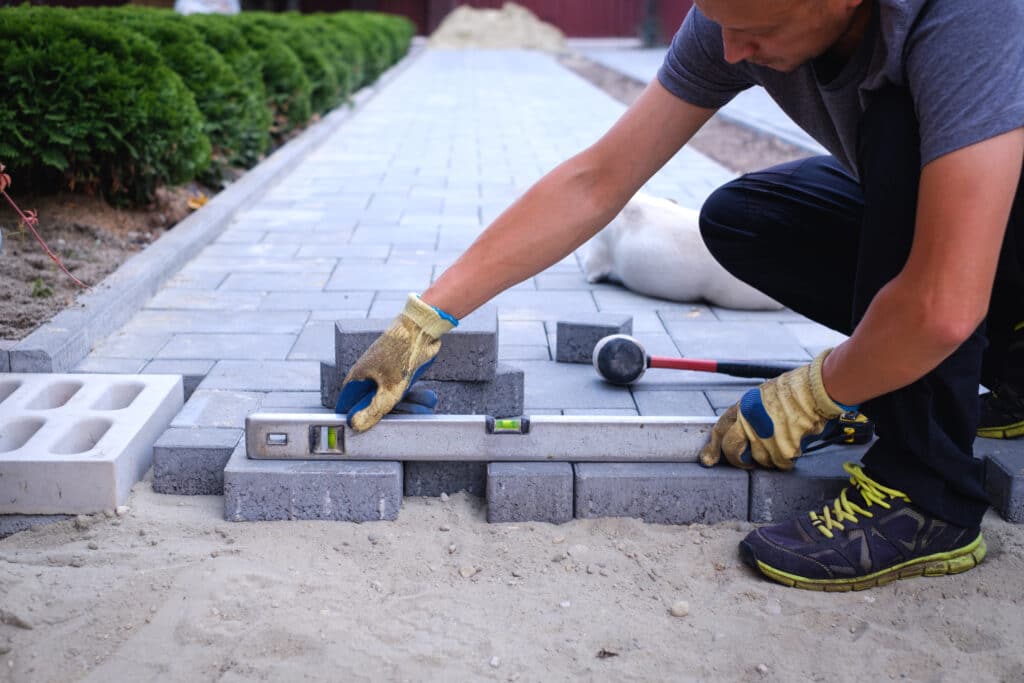
Water rarely causes damage overnight. It collects slowly. It pools after storms. It soaks into soil where it should drain away. Over time, that trapped moisture weakens foundations, cracks concrete, and invites mold into crawl spaces or basements.
Most water issues around foundations do not come from heavy rain alone. They come from design decisions that block natural drainage or send water in the wrong direction. This article explains the most common masonry mistakes that lead to water traps and how smarter planning prevents them.
Flat Masonry Surfaces That Ignore Slope
One of the most common problems starts with flat masonry. Homeowners often want patios or walkways that feel level and clean. Builders sometimes deliver exactly that without adding the subtle slope water needs to escape.
Water never disappears on its own. Without slope, rain settles on the surface and slowly migrates toward the foundation. Even small puddles leave behind moisture that seeps downward.
Proper masonry design includes a gentle pitch that directs water away from the house. That pitch often goes unnoticed by the eye but makes a massive difference after storms. Flat work may look neat on day one, yet it creates long-term moisture problems beneath the surface.
Stone Borders That Act Like Dams
Stone edging around beds or patios adds definition and style. Problems arise when those borders trap water instead of guiding it away.
Raised stone edges placed too close to the home block runoff. Water collects behind the border and saturates the soil near the foundation. Over time, that moisture presses against concrete or block walls.
Borders need strategic breaks or drainage paths. Without them, they behave like small dams during heavy rain. Many homeowners only notice the issue after water stains appear on foundation walls or soil stays soggy for days.
Retaining Walls Without Drainage Planning
Retaining walls serve an important purpose in sloped yards. They hold soil in place and create usable space. Trouble begins when those walls lack proper drainage.
Soil holds water. When water has nowhere to go, pressure builds behind the wall. That pressure pushes moisture toward foundations or forces water to surface in unwanted places.
Effective retaining wall design includes drainage rock, outlets, and grading that guides water away. Walls built without these features often fail early and create ongoing water issues nearby.
Walkways That Funnel Water Toward the House
Walkways should guide people safely through a yard. Poorly planned paths often guide water straight to the foundation.
Straight runs that slope inward act like gutters during storms. Water follows the path of least resistance and flows toward the home. That flow saturates soil near the base of the structure.
Smart walkway design angles paths slightly away from the house or includes breaks that redirect runoff. A path should never behave like a drainage channel pointed at the foundation.
Mortar Joints That Break Down Too Quickly
Mortar plays a quiet but critical role in masonry. Weak or improperly mixed mortar breaks down faster under moisture exposure. Cracks form. Water enters joints and works its way below the surface.
Once water reaches the base layers, it settles and causes erosion. That erosion undermines slabs, stones, and nearby soil. Foundations then face uneven pressure from shifting ground.
Quality mortar choice and proper installation protect against water intrusion. Skipping this step leads to slow damage that remains hidden until repairs become unavoidable.
Hardscapes That Ignore Soil Type
Not all soil drains the same way. Clay-heavy soil common in parts of Bedford holds water longer than sandy soil. Masonry placed without considering soil conditions often worsens drainage problems.
Clay soil expands when wet and shrinks when dry. Water trapped near the foundation causes constant movement. That movement leads to cracks in masonry and concrete alike.
Designs that include proper base preparation and drainage layers help manage these soil challenges. Ignoring soil type creates water traps even when surfaces look well built.
Decorative Stone Features Placed Too Close to Foundations
Decorative stone features add charm, yet placement matters. Stone accents placed directly against the foundation trap moisture between the stone and the structure.
That trapped moisture slows drying and increases the risk of mold and foundation staining. Airflow matters as much as drainage.
A small buffer zone allows soil to breathe and water to move away. Decorative features should enhance a home, not create hidden moisture pockets.
Downspout Discharge Blocked by Masonry
Downspouts need clear paths to move water away from the home. Masonry projects sometimes block or redirect those paths without homeowners noticing.
Water then spills onto patios or walkways and settles near the foundation. Over time, that repeated flow creates saturated zones.
Masonry design should always account for roof runoff. Ignoring downspouts leads to predictable water issues that grow worse with every storm.
Repairs That Treat Symptoms Instead of Causes
Many homeowners respond to water issues with surface fixes. Sealing joints or adding patchwork drainage rarely solves the root problem.
Water follows gravity and resistance. Without addressing slope, flow, and exit points, moisture finds new ways to settle.
True solutions start with design. Masonry should guide water away naturally rather than rely on constant maintenance or temporary fixes.
Smart Masonry Design Protects the Home Long Term
Well-designed masonry supports the entire property. It directs water, stabilizes soil, and preserves the foundation beneath it.
Design decisions made early prevent years of moisture damage. Small changes in slope, spacing, and drainage protect both the masonry and the home itself.
Common Masonry-Related Water Problems Homeowners in Bedford Face
Many Bedford homeowners experience these issues due to poor masonry planning:
- Standing water near foundation walls
- Cracked patios or walkways from soil movement
- Damp soil that never fully dries
- Water stains on concrete or stone surfaces
- Early masonry failure due to trapped moisture
Proper design prevents these problems before they start.
Frequently Asked Questions
Can masonry really affect foundation drainage?
Yes. Masonry controls how water moves across the property. Poor design sends water toward foundations.
Do patios need slope even if they look level?
Yes. Subtle slope prevents pooling while maintaining a clean appearance.
Can stone borders cause foundation problems?
Yes. Raised borders trap water if they lack drainage paths.
Does soil type matter for masonry design?
Yes. Clay soil holds water longer and needs extra drainage planning.
Can existing masonry be adjusted to fix drainage issues?
In many cases, yes. Small changes often improve water flow significantly.
Greenview Landscaping helps Bedford homeowners design masonry that protects foundations and manages water correctly. Call 817-393-3144 to plan smarter outdoor solutions.