



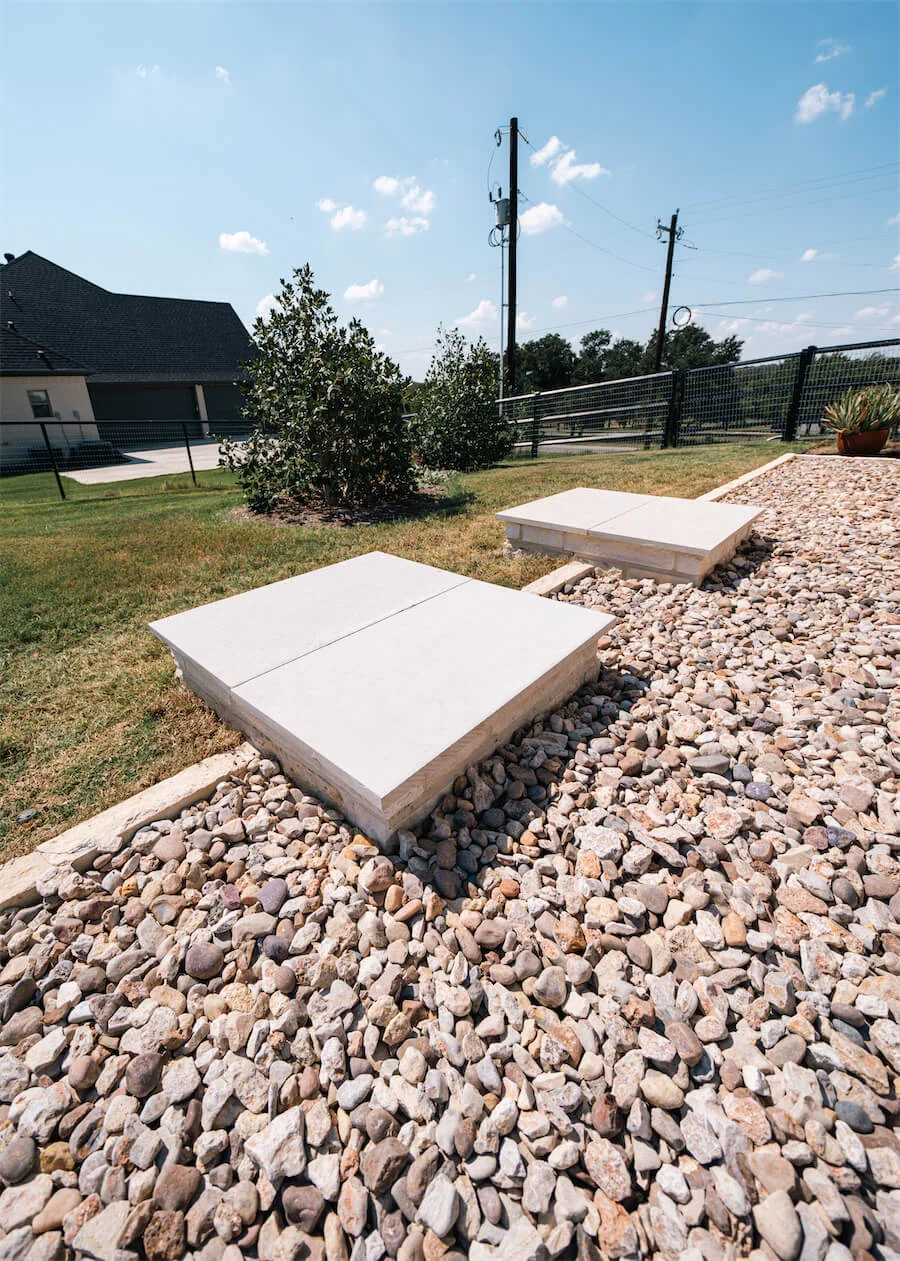
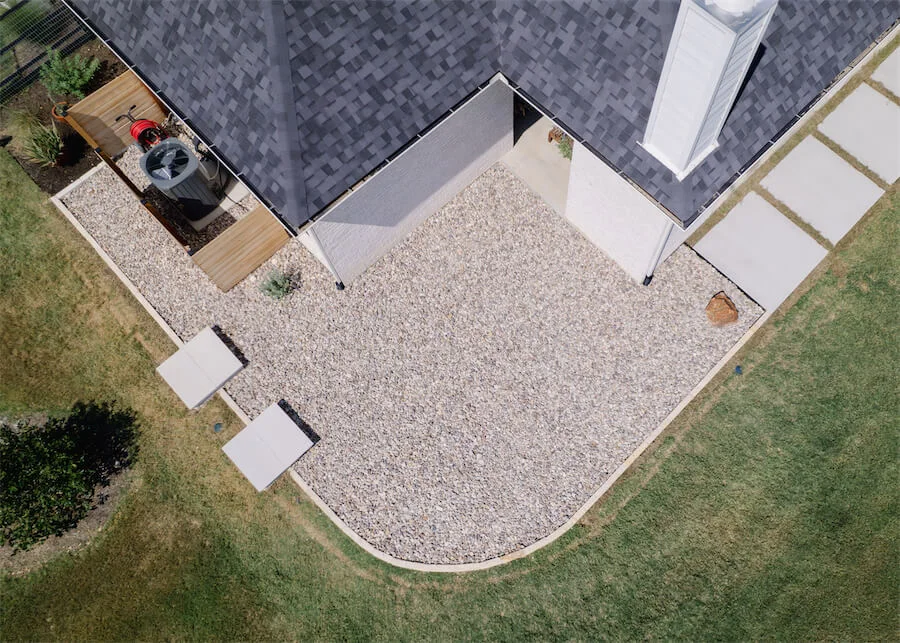

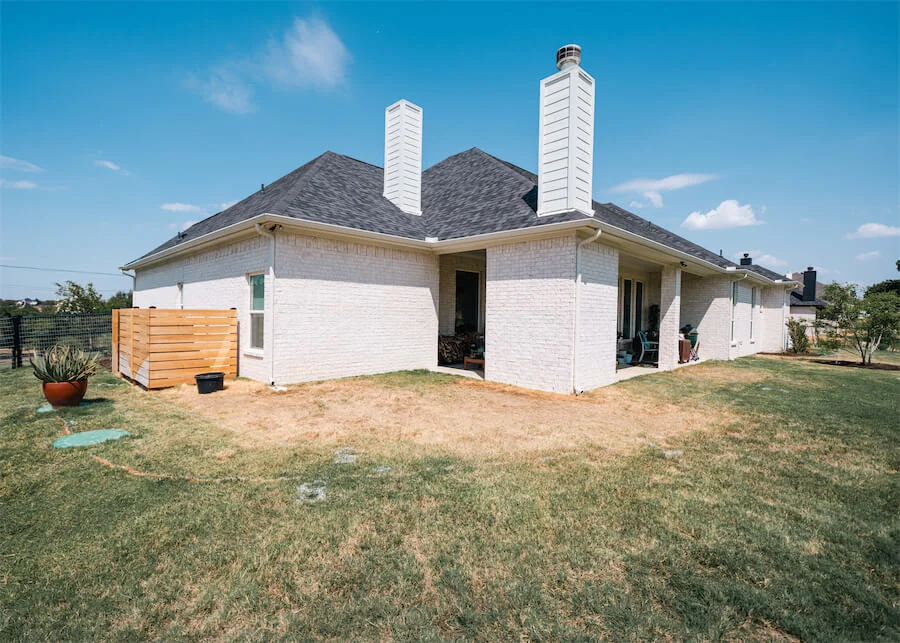


Nearly every Fort Worth yard has at least one low spot that holds water after a heavy rain. Sometimes it clears within a day and gets ignored. Other times it lingers long enough to kill turf, create persistent mosquito habitat through the summer, and become the section of the yard everyone works around instead of enjoying. A surface drain solves this directly through a catch basin positioned at the low point collects standing water and moves it underground through pipe to a controlled discharge point away from the structure and landscape. Greenview Landscaping installs surface drain systems for Fort Worth residential and commercial properties, placing each basin at the correct grade and routing the outlet to a point where the water discharges without creating a new problem downstream. Locally owned and operating since 2016, we hold a 4.8-star Google rating and A+ BBB accreditation built on drainage work that permanently addresses the problem rather than managing it season to season. Call (817) 393-3144 or contact us for a free assessment we evaluate the problem, identify the right system, and provide a written estimate before any work begins.
Surface drains — also known as area drains or yard drains — are strategically positioned catch basins that capture standing water from low spots in your yard or hardscape and channel it through underground piping to a safe, controlled discharge point. For Fort Worth homeowners dealing with yard depressions that hold water after rain, wet areas near outdoor living spaces, or runoff accumulation along property lines and garden beds, a properly installed surface drain system is often the cleanest and most effective solution. Greenview Landscaping assesses your yard’s topography and identifies the exact placement and piping route needed for surface drains to perform correctly under the heavy, fast-moving rain events that Fort Worth experiences throughout the year. We install durable drain basins with appropriate grates and solid-wall pipe that routes water efficiently to your designated outlet. Contact Greenview Landscaping at (817) 393-3144 for a free surface drain assessment in Fort Worth.
Water should leave your property quickly and safely. In Fort Worth, heavy rain and dense clay soil often cause water to collect around foundations, patios, driveways, and lawn areas. Surface drains provide a structural drainage solution that captures runoff at ground level before it damages landscaping or threatens your home. Greenview Landscaping installs engineered surface drainage systems designed to control water flow across your entire property.
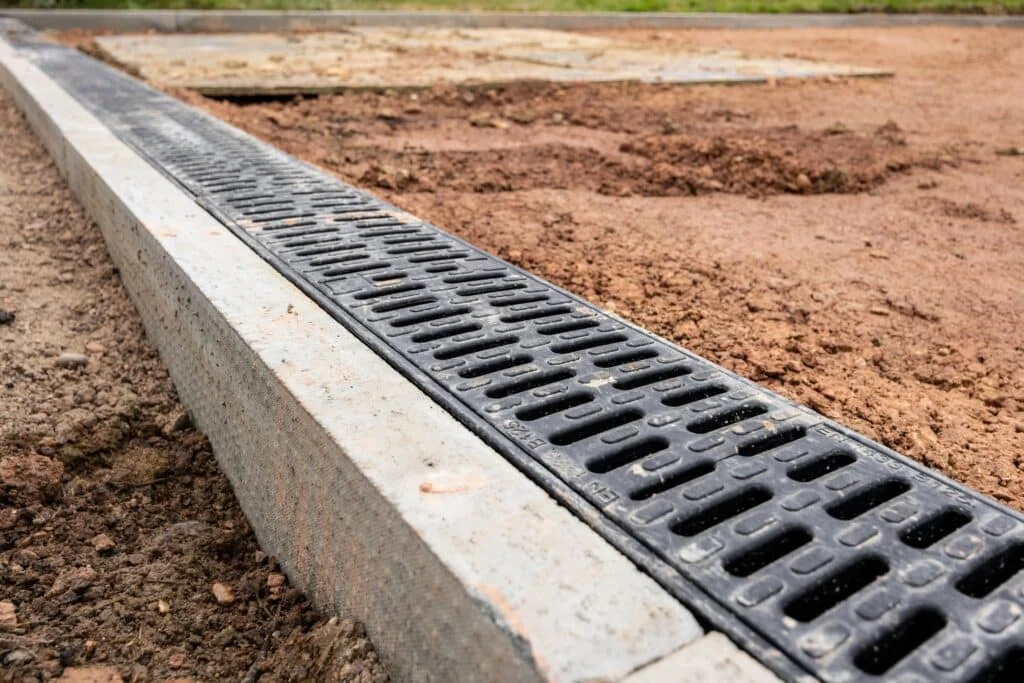
Our team focuses on property-wide water management, not plumbing drain cleaning. Surface drains intercept stormwater, redirect it to safe discharge points, and reduce pressure near foundations and hardscapes. We evaluate slope, soil conditions, and runoff patterns before installation to ensure lasting performance. Homeowners across Fort Worth and surrounding areas trust us to design drainage systems that protect structural integrity, prevent erosion, and improve yard usability year-round.
Greenview Landscaping designs and installs surface drain systems that protect Fort Worth homes from water damage. Call (817) 393-3144 to schedule a structural drainage evaluation.
Structural Drainage Planning for Fort Worth Properties
Surface drains play a key role in comprehensive drainage planning. Fort Worth soil holds water near the surface during storms. Without proper runoff control, that water pools in low spots and along foundation walls. Over time, this repeated saturation weakens soil stability and contributes to foundation movement.
Greenview Landscaping installs surface drainage systems as part of a broader structural strategy. We analyze how water moves across your property during rainfall events. Our team identifies where runoff collects and how slope influences flow. Surface drains capture excess water before it spreads, channeling it away from vulnerable areas. This proactive planning protects both your home and landscape investment.
Common Water Problems We Solve in Fort Worth
Water rarely causes damage in just one place. Many Fort Worth homeowners notice multiple warning signs before contacting us. Surface drains address visible runoff and pooling issues across the yard.
We frequently resolve:
- Standing water near patios and driveways
- Flooding in low lawn sections
- Water flowing toward foundations during storms
- Soil erosion along walkways
- Wet basement or crawl space entry points
Each issue signals improper surface runoff management. Our systems capture and redirect water efficiently to prevent recurring damage.
Grate Options for Surface Drain Systems
The grate is the visible component of a surface drain system. For buyers who want a drainage solution that does not look industrial in the middle of a patio or lawn, grate selection is worth understanding before installation.
Standard galvanized steel grates are the most durable and load-resistant option. They handle foot traffic, vehicle loads on driveway applications, and UV exposure without degrading. The visual appearance is industrial and functional. This is the appropriate choice for driveway aprons, garage floor transitions, and utility areas where aesthetics are secondary to performance.
Cast iron grates are available in decorative patterns including herringbone, diagonal, and geometric designs. These are commonly specified for patio installations, pool decks, and landscape areas where the drain will be visible from entertaining areas. Cast iron is heavy and durable but can rust over time, particularly in areas with regular water exposure. Powder-coated cast iron reduces this concern.
Plastic and PVC grates are used in low-load applications such as lawn-area catch basins and landscape drains away from vehicle areas. They are lightweight, do not corrode, and are available in green tones that reduce visual contrast with surrounding turf. Plastic grates are not rated for vehicle traffic and should not be used in driveways or parking areas.
For pool deck applications, we specify grates that are rated for slip resistance and continuous water exposure. These are available in stainless steel or high-density polymer in channel drain formats that sit flush with surrounding paver or concrete surfaces.
Maintaining Your Surface Drain System
Surface drain systems require periodic maintenance to continue performing at capacity. The primary maintenance task is debris removal from grates and catch basin bodies. Leaves, grass clippings, and organic material accumulate in the grate openings and inside the basin body, reducing the opening area available for water entry during storms.
During heavy leaf season in fall, grates should be checked and cleared after significant rainfall events. A grate blocked with wet leaves can cause water to back up and flow around the drain rather than into it, which defeats the system entirely.
The interior of catch basins should be cleared annually. Sediment accumulates at the bottom of the basin over time and reduces storage volume. On properties with significant clay soil, silty material can enter the basin during storms and accumulate faster than on sandier soils. Cleaning is a simple process of removing the grate and scooping or vacuuming accumulated material from the basin floor.
Pipe connections from catch basins to discharge points should be inspected if flow performance declines noticeably. Root intrusion from nearby trees can enter pipe joints over time and restrict flow. We can inspect and clear affected pipe runs as part of a drainage service visit.
How Surface Drain Systems Work
Surface drains collect water at ground level and direct it into underground piping. Unlike plumbing systems inside the home, these installations manage exterior runoff across the property.
A typical system includes:
- Grated catch basins placed in low areas
- Trench drains along hardscape edges
- Underground piping to carry water away
- Safe discharge points downhill from the home
Gravity powers the system. Proper slope ensures water moves naturally through the piping network. This approach keeps surfaces drier and protects structural areas during heavy rainfall.
Our Surface Drain Installation Process
Greenview Landscaping follows a structured approach to ensure reliable drainage performance.
Site Assessment
- Evaluate yard slope and water flow patterns
- Identify pooling zones and erosion areas
- Inspect foundation grading and hardscape transitions
Drainage Design
- Determine optimal basin placement
- Plan underground pipe routing
- Establish proper discharge locations
Excavation and Installation
- Excavate trenches with correct slope
- Install durable catch basins and piping
- Secure connections to prevent leaks
Restoration and Testing
- Backfill and compact soil properly
- Restore turf and landscape features
- Test system flow to confirm performance
Each step ensures water moves efficiently without disrupting existing landscape features.
Benefits of Professional Surface Drain Installation
Surface drain systems provide long-term advantages beyond visible water control.
Foundation Protection
- Reduce hydrostatic pressure
- Limit soil expansion near structural walls
- Protect slab and pier foundations
Landscape Preservation
- Prevent mulch washout
- Reduce turf damage
- Stabilize soil along hardscapes
Improved Usability
- Eliminate muddy lawn areas
- Keep patios dry
- Reduce mosquito breeding zones
This structural solution improves both property health and daily comfort.
Surface Drains Versus Subsurface Drainage Systems
Surface drains manage visible runoff at ground level. Subsurface systems such as French drains address groundwater movement below soil grade. Many Fort Worth properties benefit from a combination of both methods.
Surface drains handle:
- Driveway runoff
- Patio edge pooling
- Yard depressions
Subsurface drains handle:
- Persistent soil saturation
- Foundation moisture buildup
Our team determines which solution fits your property’s needs. We focus on comprehensive water management rather than isolated fixes.
Property-Wide Drainage Engineering
Drainage systems must account for more than one problem area. Water movement affects the entire property. We evaluate:
- Roof runoff discharge
- Neighboring property elevation
- Hardscape layout
- Soil absorption capacity
- Foundation grading
This broad assessment ensures surface drains integrate seamlessly into your overall drainage plan. Proper engineering prevents future water migration issues.
Equipment and Materials Built for Texas Conditions
Greenview Landscaping uses commercial-grade components designed for heavy rainfall and clay soil conditions.
Our systems include:
- High-strength grated catch basins
- Durable PVC piping
- Proper gravel bedding for stability
- Secure pipe connections
Quality materials combined with precise installation provide reliable drainage for years.
Why Fort Worth Homes Require Surface Drain Solutions
Sudden storms in North Texas can overwhelm yards quickly. Even well-maintained properties may experience pooling without adequate runoff control. Surface drains capture water immediately during heavy rainfall, preventing spread across the yard.
Homes with patios, driveways, and walkways often require drainage along edges where water collects. Installing surface drains protects these areas from long-term deterioration. Proactive installation prevents foundation cracks, basement moisture, and yard erosion before they escalate.
Drainage Problems Fort Worth Homeowners Face
Many properties in Fort Worth experience water management challenges due to soil type and rapid storms.
Common issues include:
- Repeated puddling near slab foundations
- Water collecting against retaining walls
- Driveway runoff flooding lawn areas
- Persistent wet soil after rainfall
- Visible erosion along property lines
Surface drain systems provide targeted solutions for these conditions while supporting overall structural drainage planning.
FAQs About Surface Drains in Fort Worth, TX
What is a surface drain and what is it used for?
Where should surface drains be placed in my yard?
How much does surface drain installation cost in Fort Worth?
When does a property need a surface drain?
How is a surface drain different from a French drain?
How does a surface drain work?
What size surface drain basin do I need?
What outlet options are available for surface drain systems?
Will a surface drain fix my standing water problem?
How long does surface drain installation take?
Can surface drains be installed in an existing lawn without major disruption?
Do surface drains require maintenance?
Can multiple surface drains be connected to a single outlet pipe?
Can a surface drain be added near my outdoor patio?
Will a surface drain create a tripping hazard?
What grate material should I choose for a surface drain?
Can a surface drain be installed on a slope?
Do surface drains need a permit in Fort Worth?
Can a surface drain help reduce mosquito breeding in my yard?
What causes a surface drain to stop working?
Can I install a surface drain myself?
How do I know if a surface drain or a French drain is right for my property?
Can surface drains be combined with other drainage systems?
Can Greenview Landscaping install a surface drain near my foundation?
How do I restore my lawn after surface drain installation?
Does Greenview Landscaping service and repair existing surface drain systems?
Can I get a free surface drain installation estimate?
Why choose Greenview Landscaping for surface drain installation in Fort Worth?
Can a surface drain be installed in a garden bed without affecting my plants?
What is the best way to prevent debris from clogging my surface drain?
Water management protects your home and landscape investment. Greenview Landscaping provides property-wide drainage solutions across Fort Worth and the surrounding areas. Call (817) 393-3144 now for expert installation.