


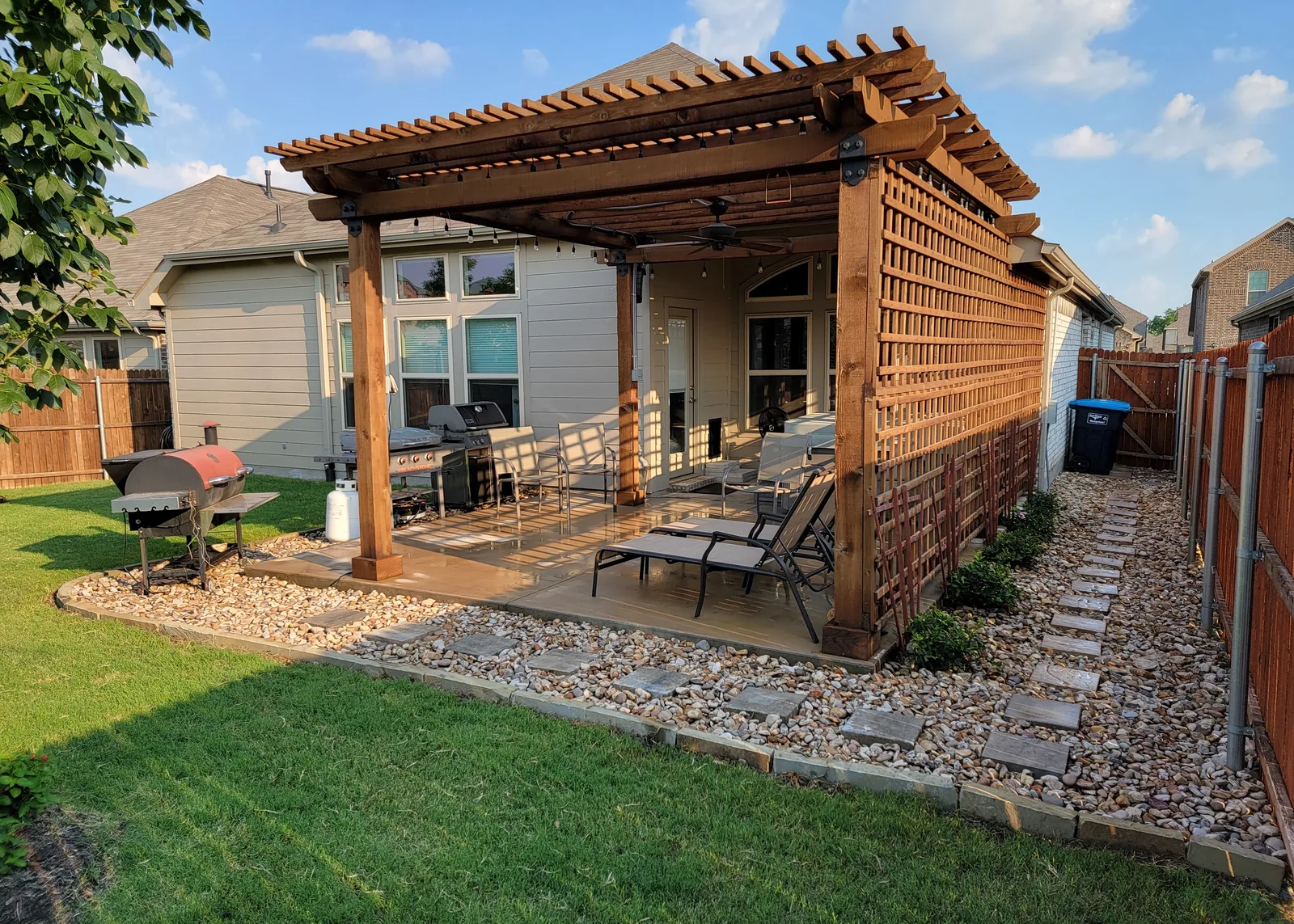
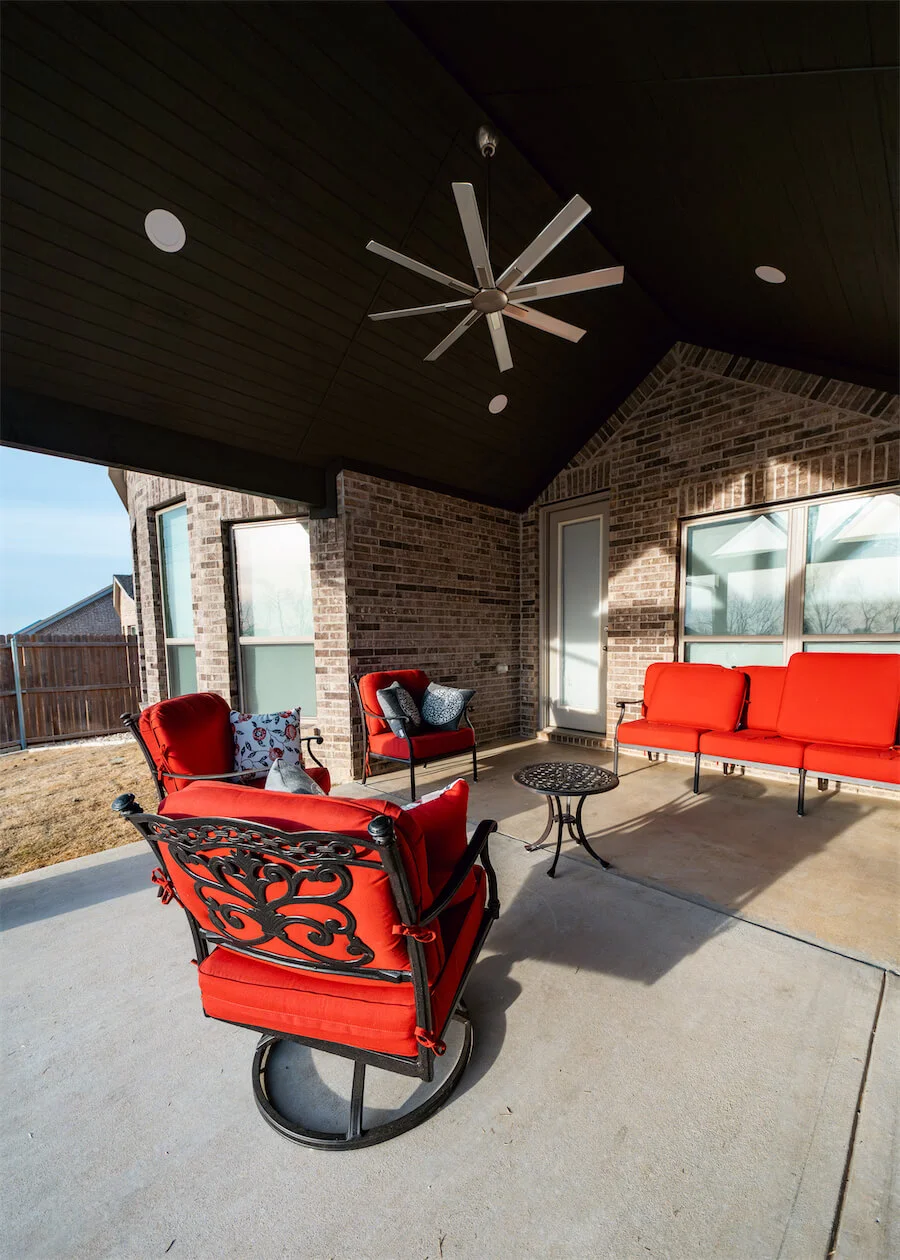
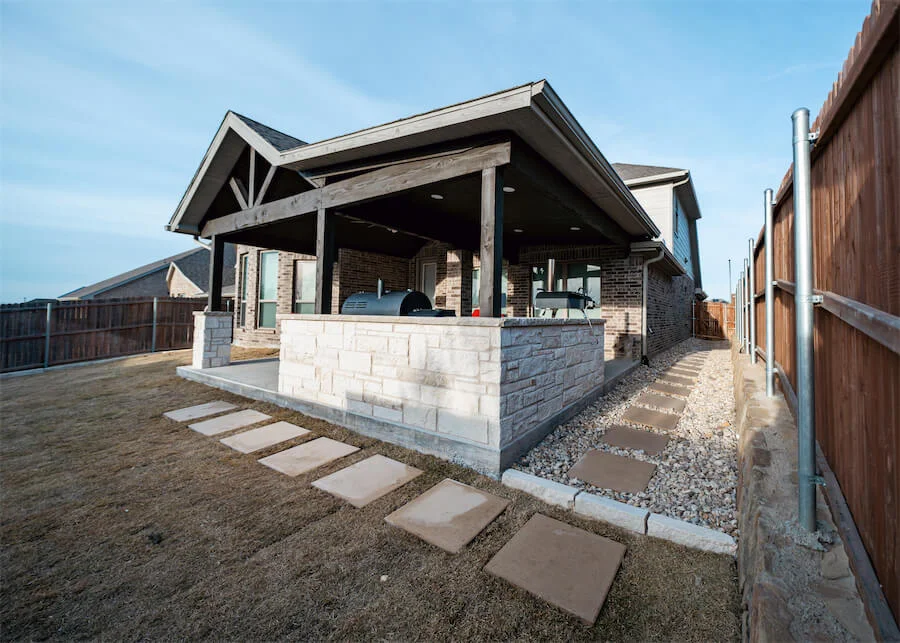
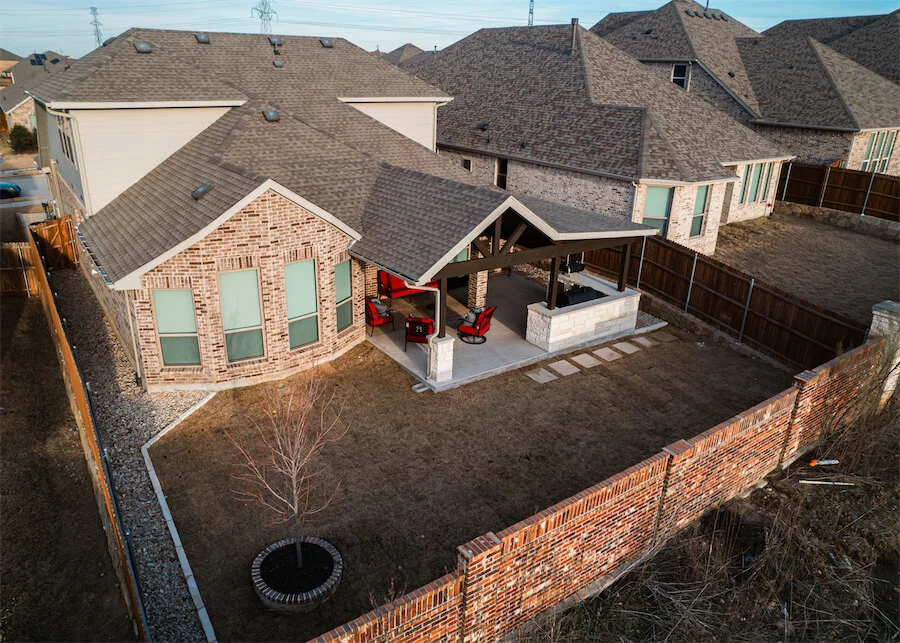
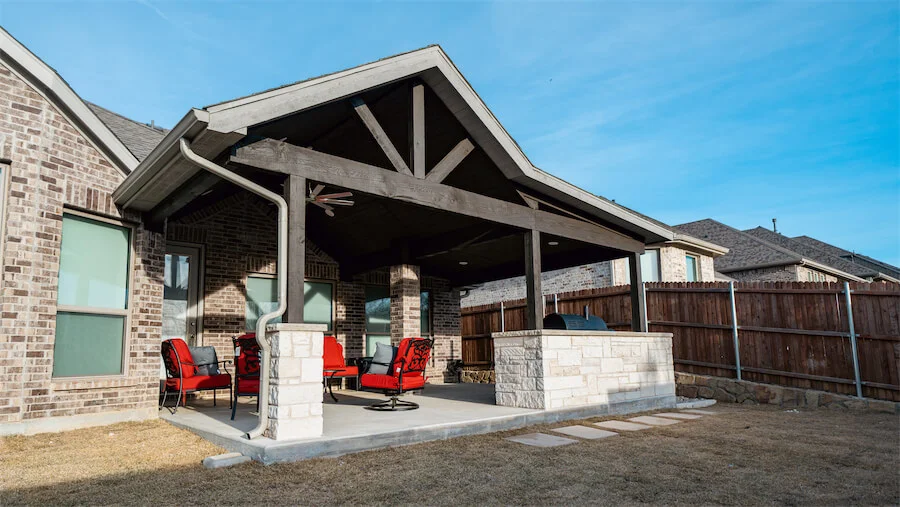


Fort Worth gives you nine months of outdoor living weather, but most backyards give you no particular reason to be out there. A pergola changes that. It defines the space, creates enough shade to make afternoon use practical in the Texas heat, and gives the yard an architectural quality that open lawn cannot deliver. Greenview Landscaping designs and builds custom pergolas for Fort Worth homeowners in cedar, treated lumber, steel, and aluminum, and set on concrete footings that extend below the active clay layer so the structure stays plumb through years of North Texas soil movement. Every pergola we build is designed around how the specific client plans to use the space, with lighting, ceiling fans, shade systems, and custom features integrated from the design phase rather than added as afterthoughts. In business since 2016 with a 4.8-star Google rating across 185 reviews and an A+ BBB rating, we handle the full project from design and permits through the last detail of the installation. Follow completed pergola work at @greenviewlandscaping.dfw. Call (817) 393-3144 or schedule your free design consultation online.
A pergola transforms an ordinary Fort Worth backyard into a defined outdoor room — shaded, stylish, and built for the way you actually live. Greenview Landscaping designs and builds custom pergolas for Fort Worth homeowners, using durable materials that hold up to North Texas heat, UV exposure, and occasional severe weather. We offer attached and freestanding pergola designs in cedar, treated lumber, powder-coated steel, and aluminum, and we can integrate lighting, ceiling fans, outdoor curtains, and climbing plant structures to create a fully personalized outdoor covered space. Every pergola we build is engineered for stability and properly anchored in concrete footings that account for the shrink-and-swell behavior of Fort Worth clay soil. Whether you want a simple open-beam structure or an elaborate outdoor pavilion, Greenview Landscaping has the design skill and construction experience to deliver it. Call (817) 393-3144 for a free pergola estimate in Fort Worth today.
A pergola is the most transformative single addition most Fort Worth homeowners can make to their outdoor space. It creates shade without the visual weight of a solid roof, defines a seating or dining area without enclosing it, and provides a structural framework for lighting, fans, vines, and outdoor curtains that turns an exposed patio into a usable, comfortable outdoor room. Greenview DFW designs and installs custom pergolas throughout Fort Worth, Southlake, Keller, Benbrook, North Richland Hills, Arlington, and the surrounding DFW communities - attached pergolas, freestanding structures, solid-roof patio covers, and everything in between.
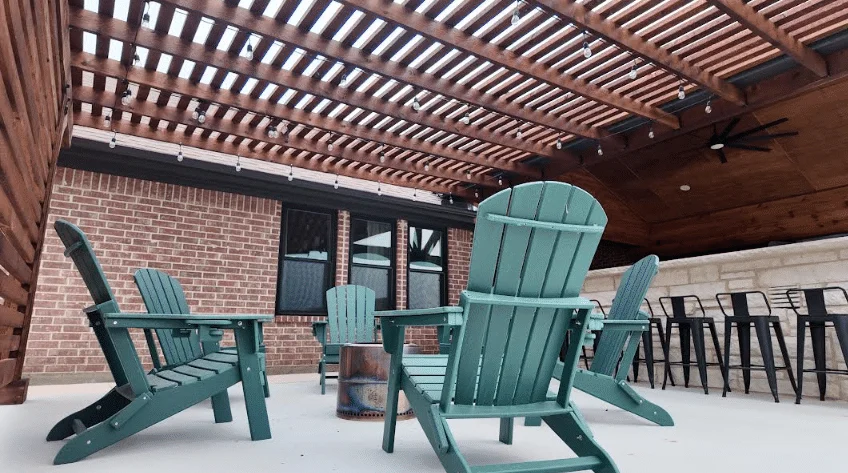
Every pergola Greenview DFW builds is designed specifically for the property it sits on, the architecture of the home it complements, and the climate conditions it will face in North Texas. We do not sell a catalog product - we design a structure.
Types of Pergolas We Build in Fort Worth
Attached Pergolas
An attached pergola connects directly to the home’s exterior wall or roofline, creating a covered outdoor space that functions as a true extension of the interior. For Fort Worth homes, an attached pergola off a back door or sliding glass door transforms what was previously an exposed patio into a shaded transition zone that makes indoor-outdoor living natural rather than an afterthought. The structural connection to the home requires proper ledger board attachment into the framing, appropriate flashing to prevent water infiltration, and load calculations that account for the weight of the pergola plus any additions like fans, lights, and climbing plants. Greenview DFW engineers these connections correctly the first time.
Freestanding Pergolas
A freestanding pergola is anchored to its own footing system independent of the home and can be positioned anywhere on the property. This is the right choice when the desired location is away from the house, when the homeowner wants to create a destination structure at the far end of a lawn or garden, or when the home’s exterior wall configuration does not accommodate a clean attached connection. Freestanding pergolas require properly engineered concrete footings that account for the wind load and soil conditions at the specific installation site - in Fort Worth, that means designing for Tarrant County’s clay soil and its seasonal movement.
Solid-Roof Patio Covers
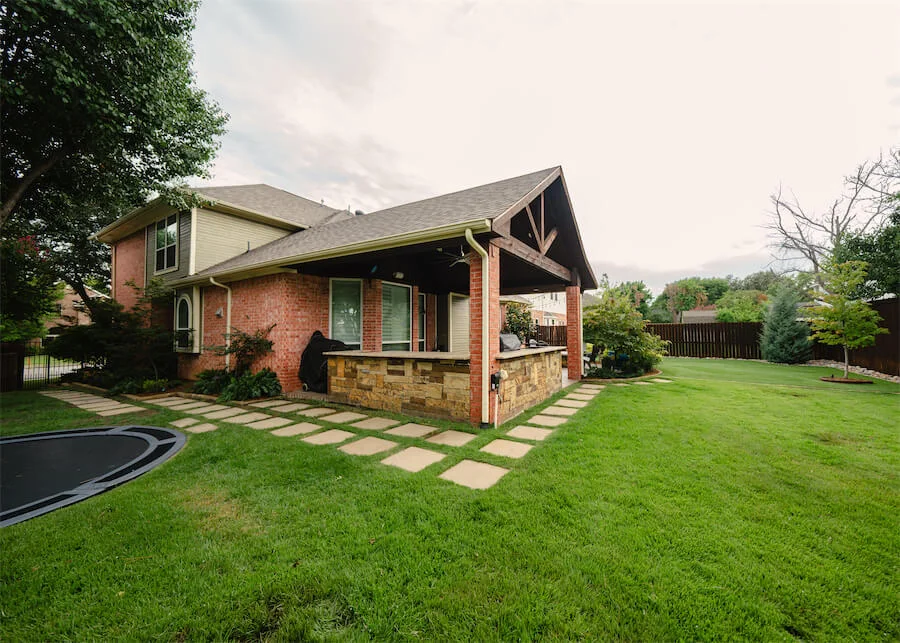
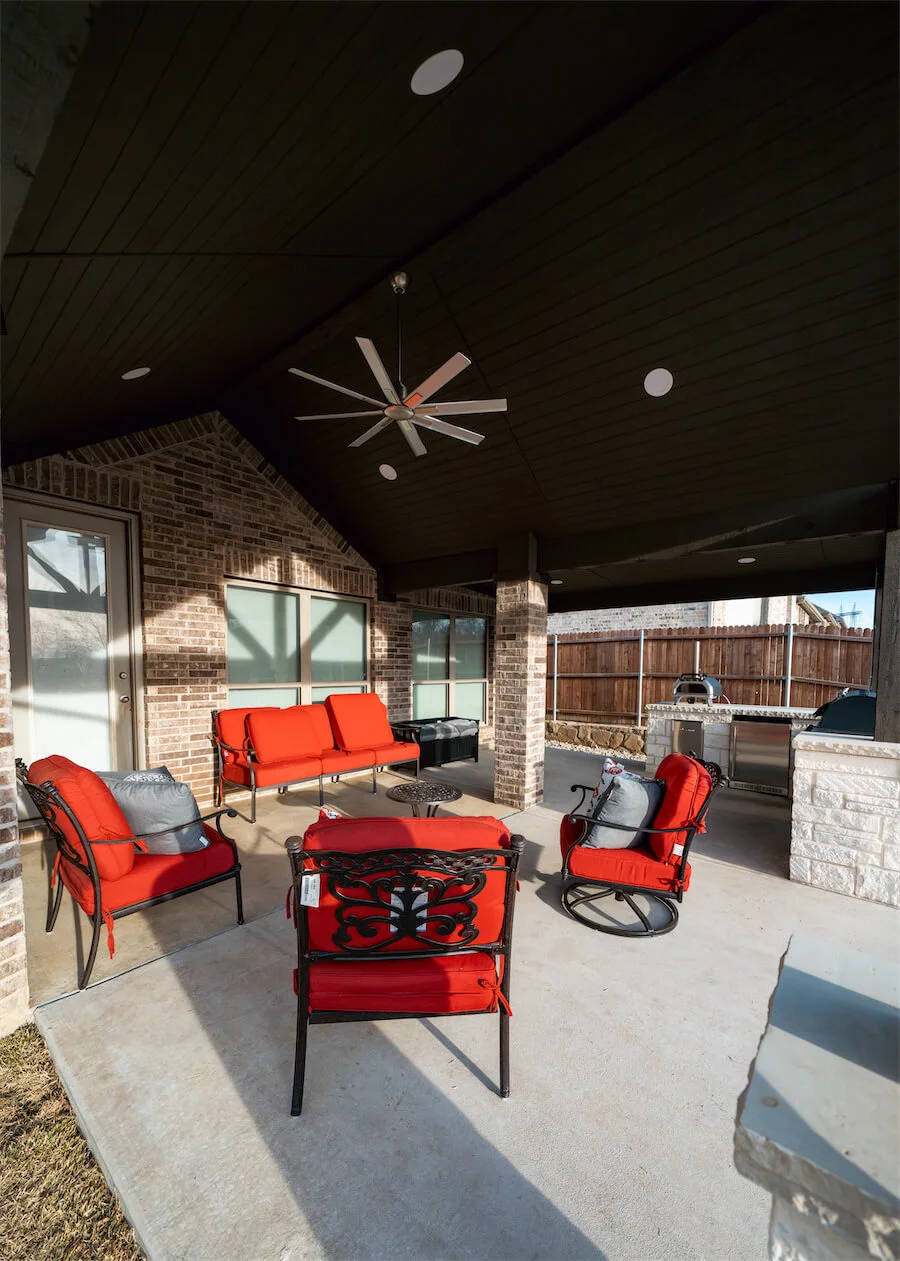
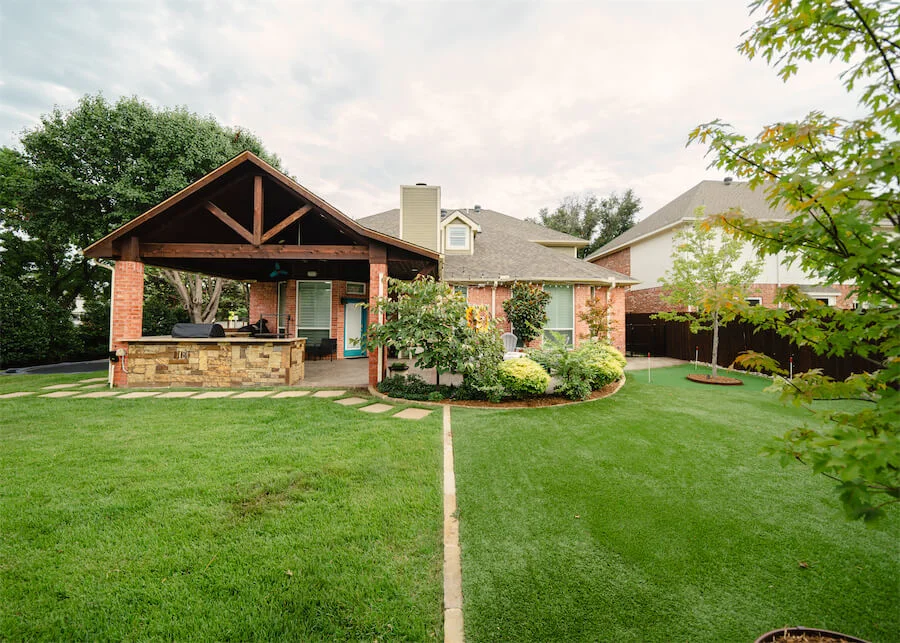
For clients who want full weather protection rather than filtered shade, Greenview DFW builds solid-roof patio covers with either a corrugated metal, shingle-match, or insulated panel roof system. A solid-roof cover allows the space to be used during light rain and provides significantly more temperature control than an open-beam pergola on hot summer afternoons. It also supports ceiling fans and full light fixture installations more effectively. Solid-roof covers require the same engineering considerations as attached pergolas, plus drainage planning so that roof runoff is directed appropriately away from the structure and the adjacent foundation.
Louvered and Adjustable Pergolas
Louvered pergola systems allow the roof slats to rotate from fully open to fully closed at the touch of a button or via a manual crank system. When open, the slats provide filtered light similar to a traditional fixed-beam pergola. When closed, they provide near-complete rain and sun protection. Louvered systems are the most functional option for homeowners who want maximum flexibility in how the space performs across different weather conditions and times of day. Greenview DFW installs louvered systems from manufacturers engineered for the DFW climate, including wind load ratings appropriate for North Texas weather patterns.
Pergola Materials in Fort Worth - Wood, Cedar, and Aluminum
Western Red Cedar
Cedar is the most popular pergola material in the Fort Worth residential market because it combines natural beauty with practical performance. Cedar has natural oils that resist rot and insect damage better than most other wood species, which matters in North Texas where summer humidity and standing water conditions are common after heavy rains. Cedar weathers to a silver-grey if left untreated or can be stained and sealed to maintain its warm, reddish-brown color. Properly maintained cedar pergolas remain structurally sound for 15 to 25 years in the Fort Worth climate. Greenview DFW uses kiln-dried cedar that is straight and free of the warping that green lumber produces after installation.
Pressure-Treated Pine
Pressure-treated pine is the most economical structural wood option for Fort Worth pergolas and is appropriate for clients who prioritize budget over aesthetics. It is structurally sound and rated for ground contact and outdoor exposure, but it is not as visually refined as cedar and requires more aggressive finishing to prevent checking, splitting, and the weathering grey color that unfinished pressure-treated lumber develops quickly. For pergola projects where the wood will be painted rather than stained, pressure-treated pine is a practical choice.
Aluminum
Powder-coated aluminum pergola systems are the lowest-maintenance option available. Aluminum does not rot, warp, check, or require periodic staining or sealing. It is structurally lighter than wood, which simplifies the footing and anchoring requirements for freestanding installations. The trade-off is that aluminum systems have a more industrial aesthetic that some clients prefer and others do not. For contemporary or modern home styles in Fort Worth’s newer developments, aluminum often looks more intentional than wood. Greenview DFW offers aluminum systems with multiple color options including bronze, black, white, and natural wood-look finishes.
Pergola Add-Ons That Maximize Functionality
Ceiling Fans
A ceiling fan mounted in a pergola structure is one of the highest-value additions available for Fort Worth outdoor spaces. The DFW climate produces hot, humid summer evenings where air movement is the difference between a comfortable outdoor experience and one that sends everyone inside by 7pm. All ceiling fans installed by Greenview DFW in pergola structures are rated for outdoor exposure and are properly wired with GFCI protection.
String and Pendant Lighting
The addition of string lights, Edison bulb pendants, or recessed lighting to a pergola structure transforms it from a daytime shade structure into an evening gathering space. Greenview DFW integrates lighting into the pergola design from the start rather than treating it as a retrofit addition, which produces a cleaner installation with hidden wiring rather than surface-run conduit.
Outdoor Curtains and Privacy Panels
Outdoor curtains mounted on the pergola structure provide privacy screening, reduce afternoon sun penetration on west-facing pergolas, and add a soft, residential quality to the space. Greenview DFW uses weather-resistant curtain hardware and solution-dyed fabrics rated for outdoor use in high-UV environments.
Integrated Planters and Climbing Structures
Many clients request integrated planter boxes at the base of pergola posts to support climbing vines that will eventually soften the structure and provide additional shade as they mature. Greenview DFW builds planter boxes in cedar, steel, or concrete to match the pergola material and includes appropriate drainage to prevent soil saturation around the post bases.
Engineering and Permitting in Fort Worth
Pergola installations in Fort Worth and most DFW municipalities above a certain square footage require a building permit. The permit process requires a site plan showing the pergola’s location and dimensions, structural specifications for the beam and post sizes, and footing details showing depth and diameter. Greenview DFW manages the entire permitting process as part of every project. We do not begin construction until the permit is issued and posted on the jobsite.
The footing design for Fort Worth pergolas requires specific engineering attention because of Tarrant County’s clay soil. Standard footing depth for freestanding pergolas in Tarrant County is typically 24 to 36 inches below grade, with diameter sized to the post load and soil bearing capacity. Greenview DFW sizes footings to the specific load of each pergola design and the soil conditions at the installation site rather than using a one-size-fits-all approach.
Pergola Maintenance in North Texas
Wood pergolas in Fort Worth require periodic maintenance to preserve their appearance and structural integrity. The North Texas climate - intense UV exposure in summer, freeze-thaw cycles in winter, and high humidity during spring storm season - accelerates the weathering of untreated or under-maintained wood.
Greenview DFW recommends the following maintenance schedule for cedar pergolas: cleaning with a wood brightener and mild detergent annually, re-staining or re-sealing every two to three years depending on the exposure level, and checking all hardware, fasteners, and ledger connections annually for signs of corrosion or loosening. Aluminum pergola systems require essentially no maintenance beyond an occasional rinse to remove pollen and dust accumulation.
Frequently Asked Questions: Pergola Installation in Fort Worth
What is the difference between a pergola, an arbor, and a gazebo?
How much does pergola installation cost in Fort Worth?
What pergola materials does Greenview Landscaping use?
How long does pergola installation take?
Do I need a permit to build a pergola in Fort Worth?
What is the best wood for a pergola in North Texas?
How do I protect a wood pergola from weathering?
Can Greenview Landscaping add shade to a pergola?
Can you add lighting to a pergola?
Can a pergola be attached to my house?
How does a pergola increase property value?
Can Greenview Landscaping build a freestanding pergola?
What size pergola is right for my backyard?
Can climbing plants be trained on a pergola?
Does Greenview Landscaping install ceiling fans on pergolas?
Can a pergola include built-in features like a bar or outdoor kitchen?
How do I choose between a louvered pergola and a traditional open-beam pergola?
What foundation depth is required for pergola posts in Fort Worth?
Can Greenview Landscaping build a pergola matching my home's architecture?
Can a pergola be converted into a fully covered structure later?
Can you add outdoor curtains or screens to a pergola?
Does Greenview Landscaping offer free pergola design consultations?
What is the typical lifespan of a well-built pergola?
Can Greenview Landscaping build a pergola over an existing concrete patio?
How do I maintain an aluminum pergola?
Can a pergola provide enough shade for Fort Worth summers?
Does Greenview Landscaping offer financing for pergola projects?
Can I get a patio and pergola built in the same project?
How do I start the pergola design process with Greenview Landscaping?
Is a pergola or covered patio better for Fort Worth's summer heat?
Why Choose Greenview Landscaping?
Homeowners throughout North Texas trust Greenview Landscaping for pergolas because we combine expert design with reliable construction. When you choose us, you get:
- Customized pergola designs to match your vision
- High-quality materials built for Texas weather
- Safe, professional installation
- Integration with other outdoor living features
- A team committed to beauty, durability, and customer satisfaction
Add Beauty and Comfort with a Pergola
A pergola is the perfect way to add charm, shade, and usability to your backyard. At Greenview Landscaping, we design and build pergolas that not only elevate your outdoor space but also create a place where memories are made.
Contact us today to schedule a consultation and start planning your custom pergola project.