



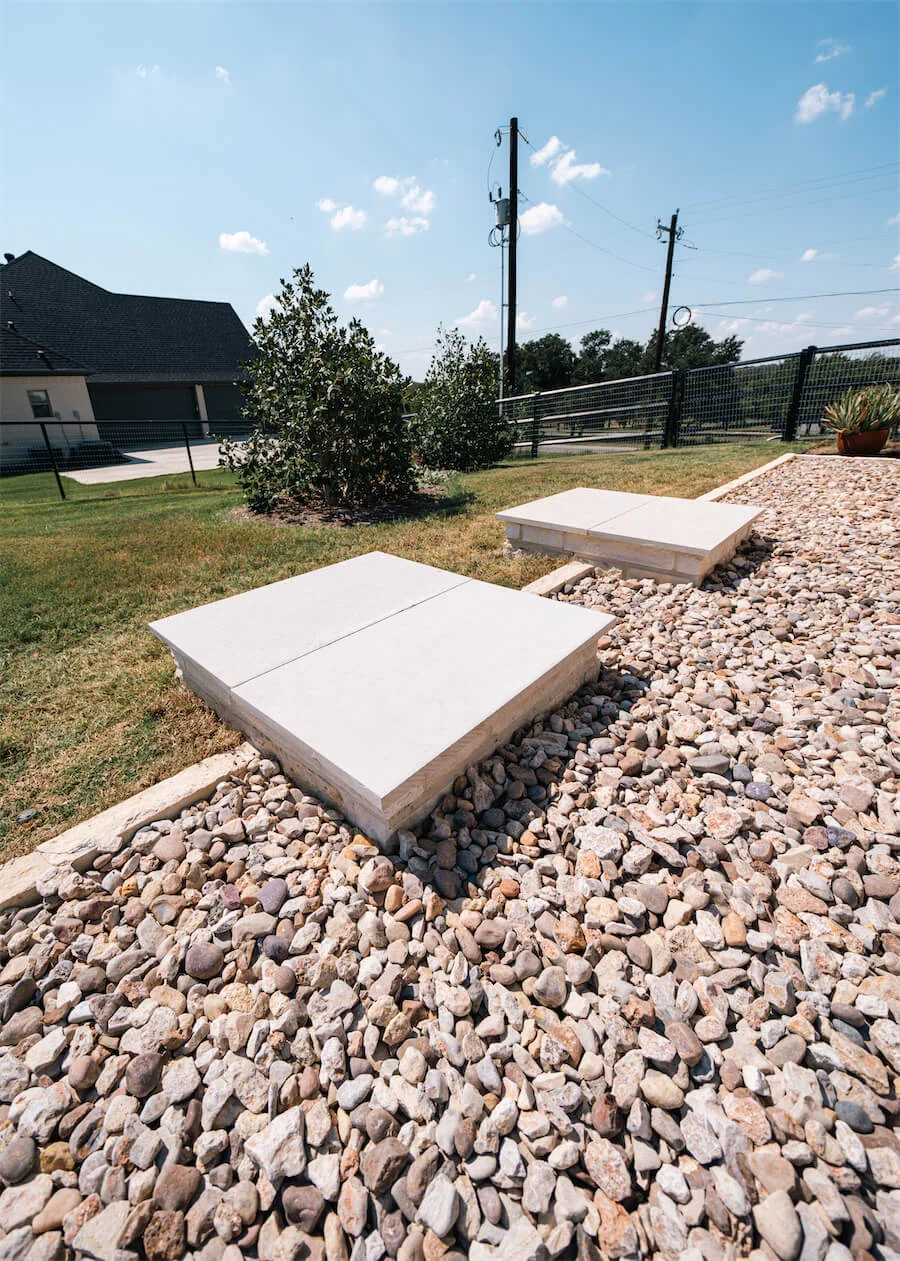
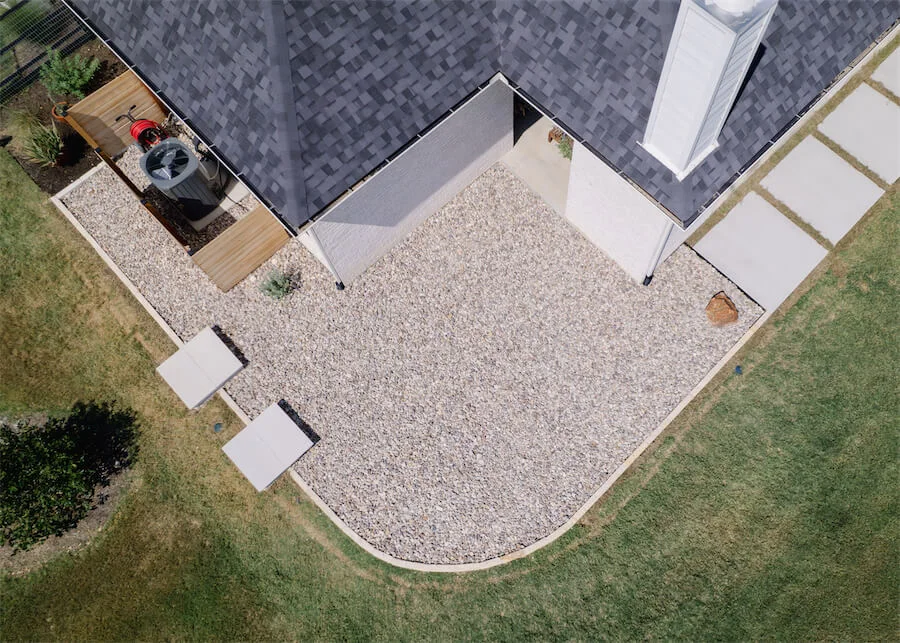
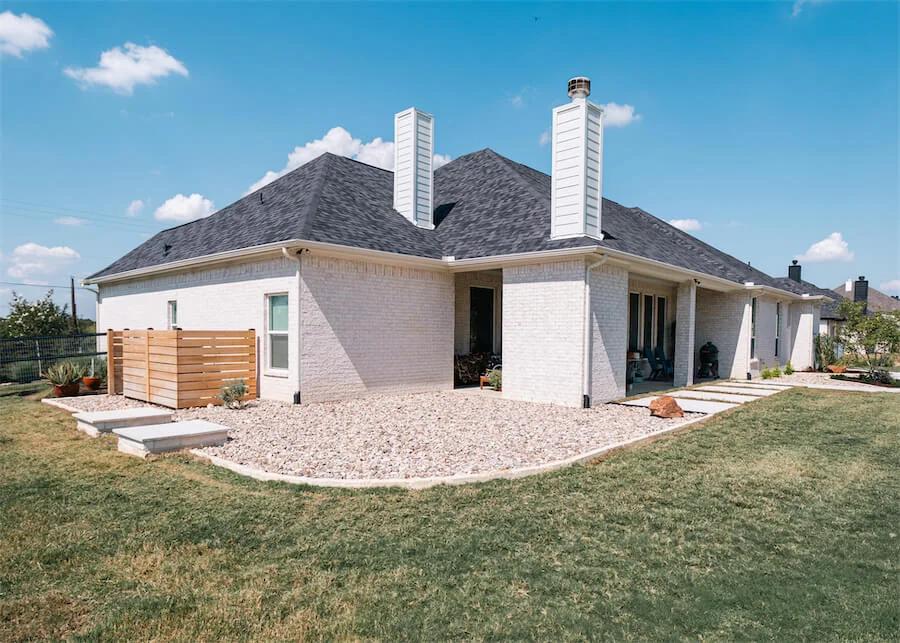
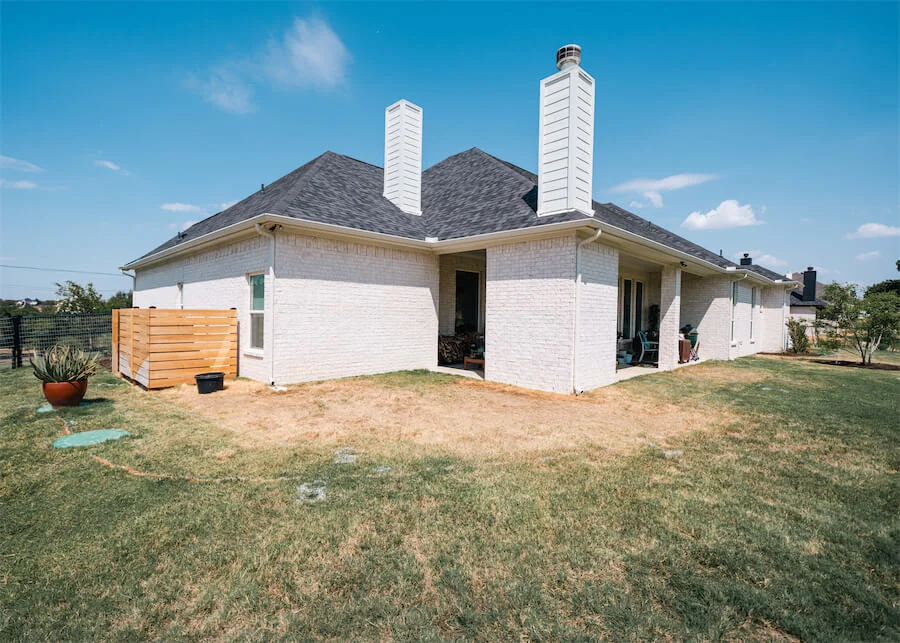


Fort Worth’s Blackland Prairie clay does not drain the way sandy or loamy soils do. When it saturates, it holds water near the surface and pushes it toward the lowest point on your property often the foundation perimeter, landscape beds, or fence line and the problem compounds with every heavy rain event. A French drain addresses this at the source, capturing subsurface moisture through a perforated pipe system surrounded by proper aggregate and filter fabric, then routing it to a discharge point away from your structure. Greenview Landscaping has been installing French drain systems engineered specifically for North Texas clay conditions since 2016, with pipe sizing, aggregate specification, and outlet placement designed to perform under real Fort Worth rainfall rather than ideal conditions. Our 185 Google reviews averaging 4.8 stars and A+ BBB rating reflect the kind of drainage work that permanently solves the problem rather than temporarily managing it. Call (817) 393-3144 or schedule your free drainage consultation online, and we will assess your property’s specific water movement patterns before recommending any system.
French drain installation is one of the most effective long-term solutions for subsurface water problems in Fort Worth, where expansive clay soil can hold and redirect groundwater in ways that cause foundation issues, soggy yards, and chronic landscape flooding. Greenview Landscaping designs and installs French drain systems using perforated pipe, properly graded aggregate, and fabric-wrapped trenches that capture underground water and channel it away from your home’s foundation and landscaped areas before it causes damage. Our drainage team evaluates your property’s topography, soil composition, and existing drainage conditions to determine the correct depth, slope, pipe sizing, and outlet placement for a system that performs correctly under real North Texas rainfall events. If you are experiencing foundation seepage, yard saturation, or persistent wet areas, a professionally installed French drain from Greenview Landscaping is the fix that lasts. Call (817) 393-3144 for your free assessment.
Water should move away from your home, not settle around it. In Fort Worth, heavy clay soil and sudden storms often cause water to pool near foundations, patios, and lawn areas. Over time, that moisture weakens soil, damages landscaping, and increases pressure against your home’s structure. French drain systems provide a long-term drainage solution that manages water below the surface before it causes costly problems.
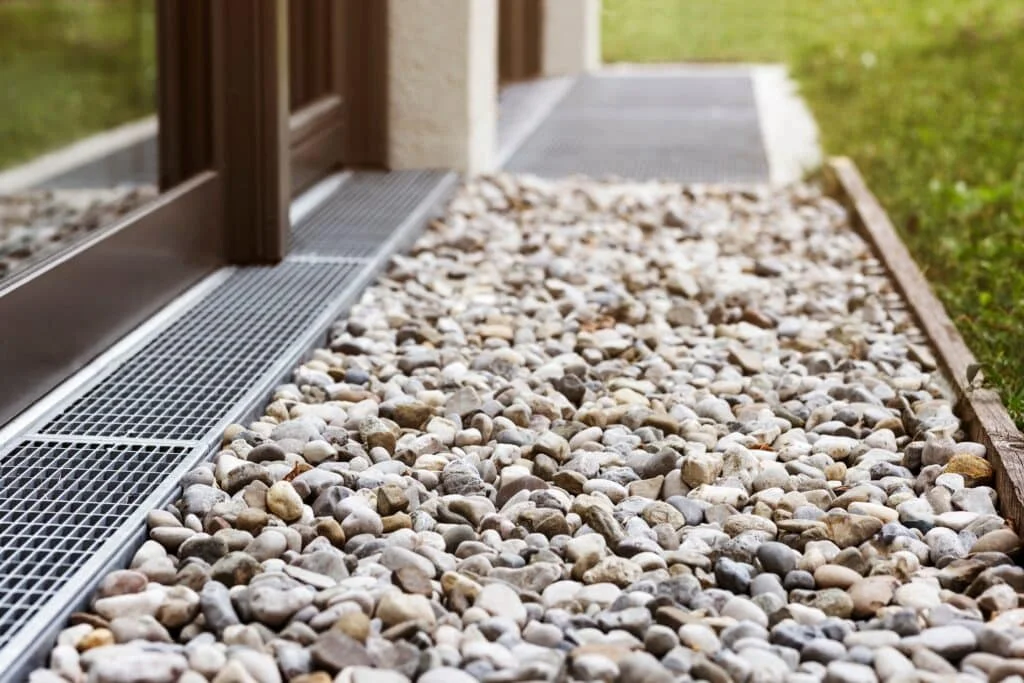
Greenview Landscaping installs structural French drain systems designed to redirect groundwater away from foundations and low areas across your property. Our approach focuses on property-wide water management rather than surface-level fixes. Whether you deal with yard flooding, foundation moisture, or recurring standing water, our team designs and installs drainage systems that protect your home and landscape for the long term.
Protect your Fort Worth property with professionally designed French drain installation from Greenview Landscaping. Call (817) 393-3144 to schedule a structural drainage evaluation.
Combining French Drains With Retaining Walls
Retaining walls hold soil in place but they do not solve the underlying drainage problem that causes hydrostatic pressure. When water saturates the soil behind a retaining wall, that water has to go somewhere. Without a drainage outlet, it presses against the wall face, accelerates soil movement, and eventually compromises the wall’s structural integrity.
The standard solution is to install drainage aggregate and a perforated drain pipe immediately behind the retaining wall at the base of the retained soil zone. This drainage layer collects water that migrates through the backfill and routes it to a discharge point at the end of the wall. The drain pipe exits through a weep hole in the wall or runs to one side where it connects to a surface outlet.
When we design retaining walls, drainage behind the wall is part of the initial design rather than an afterthought. The type and amount of drainage aggregate, the pipe diameter, and the discharge path are all determined before excavation begins. Walls built without proper drainage systems are significantly more prone to leaning, cracking, and failure over time — particularly in Fort Worth’s clay soil environment where soil expansion after rainfall is significant.
Do You Need a French Drain? Signs Your Fort Worth Property Is Ready
French drains solve a specific type of drainage problem: subsurface water accumulation. They are not the right solution for every water problem a Fort Worth property experiences, but they are the correct solution for certain conditions that are extremely common in Tarrant County’s clay soil environment. Identifying whether your property is experiencing the type of problem a French drain is designed to fix is the starting point for any drainage assessment.
Foundation Moisture That Returns After Dry Periods
If your foundation perimeter, basement walls, or crawl space experience moisture accumulation during or after rain events, even when surface grading appears to slope away from the structure, the problem is likely subsurface water moving through the soil profile toward the foundation. Surface solutions do not address this. A French drain at the appropriate depth along the foundation perimeter intercepts this subsurface movement before it reaches the structure. This is one of the most common drainage problems in Fort Worth because clay soil moves water laterally through the soil rather than allowing it to percolate straight down.
Yard Areas That Stay Wet for Days After Rain
Turf and landscape beds that remain saturated for 48 hours or more after a rain event are experiencing a drainage problem that surface topography alone cannot solve. The water is accumulating in a subsurface zone faster than the surrounding soil is releasing it. A French drain installed at the appropriate depth in these areas intercepts the accumulation and routes it to a discharge point, allowing the soil to dry to a normal condition within a reasonable time after rain events stop.
In Fort Worth’s clay soil, this condition is extremely common in lower areas of yards, along fence lines where grade change creates a natural accumulation zone, and along the sides of homes where roof runoff meets soil that is already saturated from prior rain events.
Erosion on Slopes or at Patio Edges
Erosion on sloped areas or at the edges of hardscaped surfaces where soil and mulch are consistently washing away indicates that surface water is moving at a volume and velocity the soil surface cannot absorb. In many cases, this surface water reflects a subsurface condition: when the soil profile is already saturated from subsurface water accumulation, rain that falls on a sloped surface has nowhere to percolate and runs off at its full volume. Installing a French drain at the mid-slope or base of an eroding grade intercepts the subsurface water that is contributing to the saturation, allowing rain events to percolate rather than run off.
Water Movement From Neighboring Properties
Fort Worth properties in areas with significant grade changes between neighboring lots frequently receive subsurface water from adjacent properties, particularly on the downhill side. This water moves through the soil profile from the uphill property regardless of surface grading on the downhill property. A French drain installed along the property boundary on the uphill side of the affected area intercepts this incoming water before it reaches the home’s foundation or landscape areas. This is a common situation in older Fort Worth neighborhoods where natural grade changes were never corrected during development.
Structural Drainage Solutions for Fort Worth Properties
French drains serve as a subsurface drainage system that collects and redirects water before it reaches critical areas. Unlike simple surface drains, French drains work below ground to intercept water movement through soil.
Fort Worth homes often sit on expansive clay soils that hold moisture and shift as conditions change. Without proper drainage, that trapped moisture creates hydrostatic pressure against foundations. Over time, this pressure leads to soil movement and structural stress.
A professionally installed French drain system:
- Captures groundwater before it reaches your foundation
- Reduces pressure around structural walls
- Redirects runoff toward safe discharge points
- Protects landscaping from erosion
This structural approach prevents long-term property damage rather than addressing symptoms after they appear.
Common Drainage Problems We Solve in Fort Worth
Water issues rarely stay isolated to one small area. Many homeowners contact us after noticing repeated moisture problems.
We frequently address:
- Standing water in yard depressions
- Soil erosion near patios and walkways
- Damp soil along foundation walls
- Water flowing toward the home during storms
- Wet basement or crawl space conditions
Each of these problems signals improper water movement across the property. French drain installation corrects these issues by guiding water underground to designated exit points.
How French Drain Systems Work
French drains rely on gravity and proper slope to move water efficiently. Our systems include a perforated pipe placed within a gravel-filled trench below the surface.
The system works in several steps:
- Water enters the gravel trench
- The perforated pipe collects groundwater
- The pipe channels water downhill
- Water discharges safely away from the structure
Because the system operates below grade, it remains discreet while providing continuous protection.
Our French Drain Installation Process
Greenview Landscaping follows a structured process to ensure long-term performance.
- Site Evaluation and Water Flow Assessment: We analyze slope, soil conditions, and runoff patterns across the entire property.
- Drainage Design and Planning: We determine optimal trench placement and discharge locations to protect structural areas.
- Precision Excavation: Our team excavates trenches at the correct depth and slope to promote natural water flow.
- Gravel and Pipe Installation: We install perforated pipe within a gravel base that filters and directs water effectively.
- Backfill and Landscape Restoration: We restore affected areas to blend seamlessly with your existing yard.
This method ensures both functionality and minimal disruption to your landscape.
Benefits of Professional French Drain Installation
A properly designed French drain system provides multiple long-term advantages.
Structural Protection
- Reduces foundation moisture
- Limits soil expansion and contraction
- Protects against long-term settling
Landscape Preservation
- Prevents erosion
- Protects plant root systems
- Reduces muddy lawn areas
Property Value Support
- Demonstrates proactive water management
- Prevents visible drainage damage
- Improves overall yard usability
These benefits protect both the appearance and structural integrity of your property.
French Drains Versus Surface Drainage
Surface drains capture water after pooling occurs. French drains intercept water before it rises to the surface. Surface solutions work well for visible runoff, while French drains address subsurface water movement. In many Fort Worth properties, groundwater poses the greater threat. By installing French drains, we manage water at its source rather than reacting to surface symptoms.
Property-Wide Drainage Planning
Drainage solutions should never focus on a single low spot. Effective planning considers the entire property.
Our team evaluates:
- Roof runoff discharge
- Neighboring property slopes
- Hardscape placement
- Soil absorption rates
- Foundation grading
This comprehensive approach ensures water flows safely across and away from your home.
Protecting Foundations and Exterior Structures
Foundation repair often begins with drainage correction. Excess water near structural walls creates pressure that weakens soil support.
French drains help:
- Redirect water away from footings
- Stabilize surrounding soil
- Reduce recurring moisture cycles
Exterior features such as retaining walls and patios also benefit from subsurface drainage control.
Equipment and Installation Standards
Greenview Landscaping uses commercial-grade materials designed for structural drainage performance.
Our installations include:
- Durable perforated piping
- High-quality gravel filtration layers
- Proper geotextile barriers
- Correct trench depth and slope alignment
These components work together to ensure long-term reliability.
Why Fort Worth Homes Require Structural Drainage Planning
Clay soil, unpredictable storms, and seasonal shifts create unique drainage challenges in Fort Worth. Water does not always move as expected. Small grading issues can redirect large volumes of water toward vulnerable areas.
Structural drainage planning protects:
- Foundations
- Landscaping investments
- Outdoor living areas
- Basement and crawl space conditions
Proactive installation prevents costly future damage.
French Drain Installation Service Areas Across
Fort Worth and Tarrant County
Greenview Landscaping installs French drain systems throughout Fort Worth and all surrounding Tarrant County communities. The Blackland Prairie clay soil that creates subsurface drainage challenges is consistent across the entire region, though each property’s specific slope, soil depth, and drainage patterns require individual assessment. The communities below represent our most active French drain service areas outside the Fort Worth city limits.
French Drains in Saginaw, Alliance, and Northwest Tarrant County
Saginaw and the Alliance corridor experience significant drainage challenges from a combination of clay soil and rapid residential development that has altered natural drainage patterns across the area. Properties in Saginaw, Alliance, and surrounding northwest Tarrant County communities frequently deal with foundation moisture, yard saturation, and drainage conflicts at property boundaries. We serve these communities regularly and design French drain systems that account for the specific grade and soil conditions common to this part of Tarrant County.
French Drains in Samson Park, Pecan Acres, and Lake Worth
Samson Park, Pecan Acres, and the Lake Worth area sit in drainage basins that collect significant surface and subsurface water movement during heavy rainfall. Properties in these communities frequently experience recurring wet areas, foundation moisture, and landscape flooding that French drain systems address permanently. We design systems for Samson Park and Pecan Acres properties that account for the specific soil and grade conditions of this part of Tarrant County rather than applying a standard residential template.
French Drains in Westworth Village and White Settlement
Westworth Village and White Settlement have drainage conditions shaped by their proximity to the Trinity River corridor. Properties in these communities can experience groundwater behavior that reflects both local soil conditions and regional drainage basin movement. Greenview Landscaping designs French drain systems for Westworth Village and White Settlement properties based on the actual subsurface water conditions of each site. Our broader drainage and irrigation services are available throughout this area.
French Drains in Aledo and Western Tarrant County
Aledo and the communities of western Tarrant County have drainage challenges distinct from the flat suburban areas closer to Fort Worth. Sloped properties and varied terrain create drainage patterns that require more individualized site assessment. Subsurface water on sloped Aledo properties can travel significant distances from its point of origin before causing foundation or yard problems. Our French drain designs for this area are based on the full slope and drainage pattern of the property, not just the visible wet area.
French Drains in Bedford, Keller, and Mid-Cities Tarrant County
Bedford and Keller are among our most active French drain markets because the combination of established neighborhoods, mature trees, and Fort Worth clay creates persistent subsurface drainage problems that worsen over time without correction. We complete French drain installations across both communities regularly and understand the local soil conditions and permit requirements. See also our channel drain and surface drain services for properties where both surface and subsurface drainage solutions are needed.
French Drains in Westlake, Trophy Club, and Roanoke
Westlake, Trophy Club, and Roanoke properties, particularly those on larger lots with natural grade variations, experience subsurface drainage conditions that reflect the varied terrain of northwest Tarrant County. We serve all three communities with French drain design and installation, and our assessments in this area regularly include coordination with existing irrigation systems and landscape investments that need to be protected during installation. Contact us at (817) 393-3144 to schedule a site assessment anywhere in this service area.
FAQs About French Drains in Fort Worth, TX
What is a French drain and how does it work?
How much does French drain installation cost in Fort Worth?
When does a property need a French drain?
How is a French drain different from a channel drain?
How deep does a French drain need to be in Fort Worth?
What is the correct slope for a French drain?
Will a French drain fix my soggy yard?
Can a French drain protect my foundation?
How long does French drain installation take?
Where does the water go after entering a French drain?
How does Fort Worth's clay soil affect French drain performance?
Does a French drain need filter fabric?
Will a French drain require maintenance?
Can a French drain be installed close to trees?
How do I know if my French drain is working correctly?
Can Greenview Landscaping install a French drain along my entire property boundary?
Will French drain installation damage my existing landscape?
Does the French drain pipe need clean-out access?
Can a French drain be combined with surface drainage?
What pipe size is used for French drains?
Do I need a permit for French drain installation in Fort Worth?
Can a French drain solve erosion problems on a slope?
How long does a properly installed French drain last?
Can Greenview Landscaping diagnose why my existing French drain stopped working?
What happens if a French drain outlet gets blocked?
Is a French drain visible in the yard after installation?
How does Greenview Landscaping ensure a French drain is installed correctly?
Can I get a free French drain installation estimate?
Why choose Greenview Landscaping for French drain installation in Fort Worth?
Can French drain installation be combined with irrigation system work?
Greenview Landscaping provides property-wide drainage solutions across Fort Worth and surrounding areas. Stop foundation moisture and yard flooding before they worsen. Call (817) 393-3144 now to get started.