
How Hardscape Placement Should Influence Landscape Design From Day One
Hardscape decisions shape how an outdoor space works long before plants enter the picture. Patios, walkways, retaining walls, steps, and seating areas define movement, drainage, and long-term durability. Landscape designs that treat hardscape as an afterthought often struggle with flow issues, water problems, and spaces that feel disconnected.
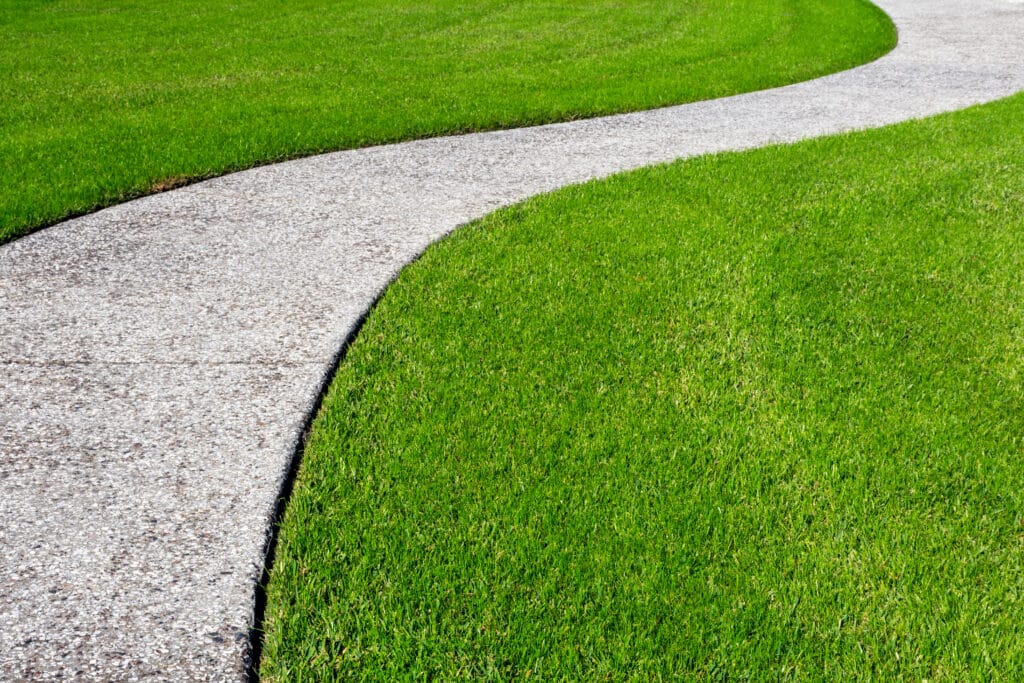
In Fort Worth, weather and soil conditions demand careful planning from the start. Clay soil, sudden rain events, and seasonal temperature shifts expose weak design choices quickly. Hardscape placement guides how water moves, how people use the space, and how landscaping matures over time.
This guide explains why hardscape placement should influence landscape design from day one and how early planning prevents common problems homeowners face after installation.
Why Hardscape Drives the Entire Landscape Layout
Hardscape elements stay in place far longer than plants. Shrubs grow, lawns change, and beds evolve, but patios and walkways anchor the yard. Designers who plan planting first often discover conflicts once hardscape enters the picture.
Hardscape placement determines:
- How people move through the yard
- Where water flows during storms
- How outdoor areas connect visually and functionally
- Where soil remains stable
In Fort Worth landscapes, ignoring this sequence leads to redesigns and repairs. Starting with hardscape ensures everything else supports the layout instead of fighting it.
Movement Patterns Start With Hardscape Placement
People naturally follow paths. Walkways, steps, and patios create movement lines across the yard. Landscape design should support these lines, not block them. Designs that place hardscape later often create awkward routes through planting beds or turf. People cut across grass, compact soil, and damage plants.
Smart planning considers:
- Entry points from the home
- Routes between seating, grilling, and yard access
- Transitions between levels
Hardscape sets these paths early. Landscaping then frames movement instead of correcting it.
Drainage Planning Begins With Hardscape Decisions
Water follows surfaces before it reaches soil. Hardscape placement influences how runoff behaves across the property.
Poor placement causes:
- Water pooling against patios
- Runoff flowing toward foundations
- Erosion along edges
Fort Worth soil holds moisture longer, so mistakes show quickly. Early planning allows designers to slope surfaces properly and guide water into safe drainage areas. Landscape design without hardscape context often blocks drainage paths or traps water.
Elevation and Grade Depend on Hardscape Layout
Patios, retaining walls, and steps establish grade changes. Designers must plan elevations before placing plants or turf.
Problems appear when designers add hardscape after grading:
- Uneven lawn levels
- Soil buildup against structures
- Awkward step heights
Hardscape-first planning allows smooth transitions and stable soil. Landscaping then fills in naturally around those levels.
Outdoor Rooms Depend on Hardscape Placement
Outdoor living spaces function like indoor rooms. Hardscape defines their size, shape, and use. Patios anchor seating areas. Walkways define circulation. Walls and steps frame transitions.
Landscape design without defined hardscape leads to:
- Spaces that feel undefined
- Furniture placed on uneven ground
- Beds intruding into usable areas
Early hardscape placement creates clear zones. Landscaping enhances comfort and privacy instead of competing for space.
Plant Health Relies on Hardscape Location
Plants respond to water, sun, and soil conditions. Hardscape placement affects all three. Concrete and stone reflect heat. Walls block wind. Surfaces redirect water. Poor placement stresses nearby plants.
Designers must consider:
- Heat exposure near hardscape
- Drainage around paved areas
- Root space limitations
Planning hardscape first allows plant selection that fits conditions instead of forcing plants to survive poor placement.
Soil Stability Depends on Hardscape Edges
Edges between hardscape and soil need support. Without proper planning, soil shifts and erodes.
Problems include:
- Mulch washing onto patios
- Soil collapsing along walkways
- Exposed roots near steps
Hardscape-first planning allows proper edging and transitions. Landscaping then stays contained and stable.
Lighting and Utilities Follow Hardscape Layout
Outdoor lighting, irrigation, and drainage lines follow hardscape routes. Installing these systems after landscaping increases disruption.
Early planning coordinates:
- Lighting along walkways
- Drainage under patios
- Irrigation zones around hardscape
This coordination prevents tearing up finished landscaping later.
Long-Term Maintenance Starts With Placement
Maintenance challenges often trace back to poor hardscape placement.
Common issues include:
- Mowers struggling around tight edges
- Beds difficult to access
- Drainage areas clogging
Hardscape-first design considers maintenance needs. Landscaping supports easy care instead of constant correction.
Common Problems From Late Hardscape Decisions
Homeowners in Fort Worth often experience:
- Patios placed too close to homes
- Walkways cutting through root zones
- Retaining walls added after erosion starts
These issues cost time and money to fix. Early planning prevents them.
How Fort Worth Climate Shapes Hardscape Planning
Fort Worth weather tests outdoor spaces. Heat expands materials. Heavy rain stresses drainage. Clay soil shifts with moisture.
Hardscape placement must account for:
- Expansion gaps
- Drainage slopes
- Soil movement
Landscape design that starts with plants ignores these realities.
FAQs: Hardscape and Landscape Design in Fort Worth, TX
Why should hardscape come before landscaping?
Hardscape defines movement, drainage, and grade. Landscaping should support those elements, not work around them.
Can landscaping fix poor hardscape placement?
Landscaping can hide issues but cannot correct drainage, grade, or movement problems caused by poor placement.
Does hardscape affect plant health?
Hardscape influences heat, water flow, and root space, which directly impacts plant health.
How does Fort Worth soil affect hardscape planning?
Clay soil retains moisture and shifts, so placement must support drainage and stability.
Can existing landscapes be redesigned around new hardscape?
Many landscapes benefit from redesign that starts with proper hardscape placement.
Hardscape placement shapes how your entire outdoor space functions. Greenview Landscaping helps Fort Worth homeowners design landscapes that work from the ground up. Call 817-393-3144 to schedule a consultation.