

Landscape Design Decisions That Create Drainage Problems After Installation
Published at January 29, 2026 | Category: Landscape Service
Drainage problems rarely start with rain. They usually start on paper. Design decisions made early in a landscape project often lock in water issues that show up months later. Homeowners in Fort Worth see this happen all the time. A yard looks great at first, then puddles appear, plants struggle, and soil shifts after heavy storms.
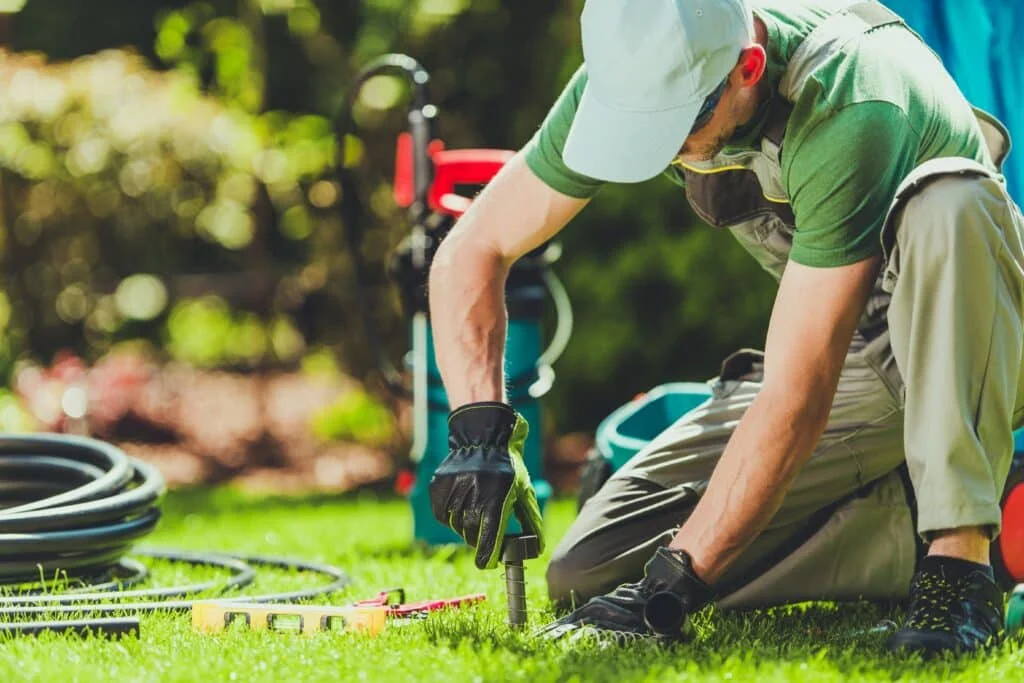
Most drainage failures do not come from bad luck or extreme weather. They come from design choices that ignore how water moves across the property. Once installation finishes, correcting those choices becomes expensive and disruptive. That reality makes smart design decisions critical before any shovel hits the ground.
This guide breaks down the most common landscape design decisions that cause drainage problems after installation. Each section explains what goes wrong, why it matters in Fort Worth, and how better planning prevents future headaches.
Ignoring Natural Water Flow Patterns
Every property already tells a water story. Rain follows predictable paths based on slope, soil type, and surrounding structures. Design plans that ignore those paths force water into areas that cannot handle it.
Problems often appear when designs flatten areas that once drained naturally or redirect runoff toward homes, fences, or patios. Water always follows gravity, even after landscaping changes the surface.
Ignoring natural flow leads to:
- Water pooling in low areas
- Runoff collecting near foundations
- Saturated planting beds
Fort Worth soil compounds this issue. Clay holds moisture longer, so redirected water stays trapped instead of soaking in. Design should respect existing flow patterns and guide water safely instead of fighting gravity.
Raising Soil Levels Near Foundations
Adding soil near a home seems harmless, especially during bed installation or regrading for aesthetics. This decision causes serious drainage problems. Soil added too close to foundations traps moisture against the structure. Rainwater collects where soil height blocks proper runoff. Over time, this moisture creates foundation stress, interior leaks, and soil movement.
Common causes include:
- Raised flower beds without drainage planning
- Mulch buildup over multiple seasons
- Regrading without foundation clearance checks
Proper design keeps soil sloping away from structures and maintains safe clearance. Fort Worth homes rely on consistent drainage to protect slab integrity. Small grade mistakes near foundations cause long-term damage.
Designing Flat Areas Without Drainage Paths
Flat spaces look clean and functional. Patios, lawns, and gathering areas often need level surfaces. Problems arise when designers stop there. Water needs a path. Flat areas without subtle slope or drainage outlets hold water after rain. That standing water weakens soil and damages turf and hardscape.
Design mistakes include:
- Level lawns without slope toward drains
- Patios built with no runoff direction
- Seating areas placed in low points
A proper design adds gentle pitch that stays invisible to users but keeps water moving. Even small slope adjustments prevent puddling and surface damage.
Placing Hardscape Without Subsurface Planning
Hardscape changes how water behaves. Pavers, concrete, and stone block absorption and redirect runoff. Design decisions that focus only on surface appearance ignore what happens below.
Without subsurface planning, water collects under hardscape and causes:
- Shifting pavers
- Cracked concrete
- Uneven walkways
Design should include base preparation that supports drainage and soil stability. Fort Worth weather cycles test hardscape foundations. Water trapped beneath surfaces leads to movement and failure.
Overusing Impermeable Materials
Modern landscapes often favor clean lines and hard surfaces. Excessive use of impermeable materials creates drainage overload. Water that once soaked into soil now runs across surfaces and collects at edges. Without proper outlets, that runoff floods planting beds and turf.
Design decisions that create problems include:
- Large paved areas without drainage breaks
- Solid edging that traps runoff
- Minimal green space for absorption
Balanced designs mix hardscape with permeable areas. That balance supports natural drainage and reduces runoff pressure.
Misplacing Planting Beds in Low Areas
Plants need water, but they do not need standing water. Placing beds in natural low spots often leads to root rot and soil washout. Designers sometimes choose these locations for visual impact without addressing drainage. Water collects during storms and suffocates plant roots.
Better design elevates beds slightly or redirects water away from root zones. Healthy plants rely on consistent moisture, not saturation.
Skipping Grade Transitions Between Zones
Sudden grade changes cause erosion and pooling. Smooth transitions guide water safely while supporting movement and use.
Designs that ignore transitions create:
- Soil washout between levels
- Exposed roots and edging
- Unstable walking surfaces
Grade transitions should blend levels gradually. Fort Worth rain events move soil quickly when slopes lack control.
Relying on Drainage Products Instead of Design
Drainage systems support good design, not replace it. Designers who rely on drains to fix poor grading set projects up for failure.
Common mistakes include:
- Installing drains without slope correction
- Using drains to compensate for low spots
- Expecting systems to overcome poor layout
Drainage solutions work best when design already directs water correctly. Systems should assist flow, not fight it.
Designing Without Soil Behavior in Mind
Soil type dictates drainage success. Fort Worth clay soil drains slowly and expands when wet. Designs that ignore this reality create problems fast.
Mistakes include:
- Treating clay like sandy soil
- Skipping soil preparation
- Ignoring compaction issues
Good design works with soil behavior. Adjustments account for moisture retention and expansion.
Why Drainage Issues Appear After Installation
Drainage problems often stay hidden until weather tests the design. Soil settles, rain patterns repeat, and weak points reveal themselves. Design decisions shape long-term performance. Fixing issues after installation requires removal, repair, and rework. Prevention always costs less than correction.
FAQs: Landscape Drainage Design in Fort Worth, TX
Why do drainage problems appear months after installation?
Soil settles and rain patterns expose weak design points that were not obvious during installation.
Can plants cause drainage problems?
Plant placement can worsen drainage if beds sit in low areas or block water paths.
Do drainage systems fix poor landscape design?
Drainage systems help good design perform better but cannot correct major grading or layout mistakes.
Does Fort Worth soil require special drainage planning?
Clay soil holds water longer, so designs must account for slower absorption and expansion.
Can existing landscapes be redesigned to fix drainage?
Many drainage problems improve with redesign that addresses grade, layout, and water flow.
Drainage problems start with design choices. Greenview Landscaping helps Fort Worth homeowners plan landscapes that manage water correctly from day one. Call (817) 393-3144 to schedule a design consultation.