

Pool Remodeling in Fort Worth: What to Expect, What It Costs, and When to Start
Published at May 15, 2026 | Category: Swimming Pool
In Fort Worth’s hot climate, a backyard pool is not just a luxury — it is a central feature of outdoor life from April through October. But pools age. Surfaces deteriorate, coping cracks, tile fades, decking looks dated, and the surrounding environment that made the pool area feel exciting ten years ago can start to feel worn and uninviting.
Pool remodeling is the answer — and it does not mean tearing out everything and starting over. A well-planned pool remodel can transform an aging pool into something that looks and feels resort-quality at a fraction of the cost of new construction. This guide explains what pool remodeling actually includes, what it costs in the Fort Worth market, and when to start planning.
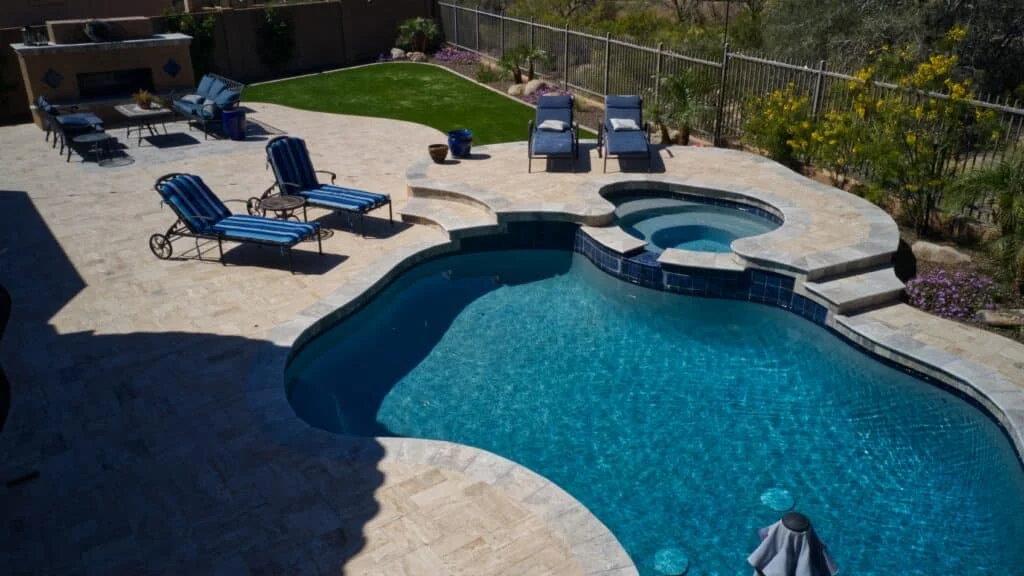
What Pool Remodeling Actually Includes
Pool remodeling is not a single service — it is a collection of improvements that can be applied selectively based on what the pool needs and what the homeowner wants. The most common components include:
Surface resurfacing: the plaster, pebble, or quartz finish that lines the pool interior. This is the most common reason for a pool remodel — aging plaster becomes rough, stained, or begins to delaminate, and resurfacing restores both the appearance and the functionality of the pool. Pebble and quartz finishes last significantly longer than standard marcite plaster and are the preferred choice for most Fort Worth remodels.
Coping replacement: the cap material around the pool perimeter. Original coping on older pools is often cracked, lifting, or simply dated. New coping in natural stone or travertine dramatically improves the pool’s appearance and eliminates the safety hazard of lifting or crumbling edges.
Tile replacement or addition: the waterline tile band that transitions from the coping to the pool surface. Modern tile options — mosaic patterns, glass tile, natural stone bands — can completely change the character of an aging pool.
LED lighting upgrade: replacing original incandescent pool lights with color-changing LED fixtures. This is one of the most impactful and cost-effective single upgrades available — LED lights last much longer, use less energy, and transform the pool’s nighttime appearance.
Water features: adding waterfalls, deck jets, bubblers, and scuppers to an existing pool creates movement, sound, and visual interest that standard still-water pools cannot match.
Deck replacement or resurfacing: the surrounding deck is often the most visually dated element of an older pool environment. Replacing worn concrete or cantilever decking with travertine pavers or new poured concrete immediately modernizes the pool area.
How Much Does Pool Remodeling Cost in Fort Worth in 2026?
Pool remodeling costs in Fort Worth vary widely depending on what components are addressed and the pool’s size.
Basic resurfacing only (marcite plaster): $5,000–$10,000 for an average 400–600 sq ft pool surface.
Premium resurfacing (pebble or quartz finish): $8,000–$18,000 depending on pool size and finish selected.
Resurfacing plus coping and tile: $12,000–$25,000 for a comprehensive surface and edge refresh.
Full interior remodel (resurfacing, coping, tile, LED lights): $18,000–$35,000.
Complete pool transformation (resurfacing, coping, tile, LED lighting, water features, deck replacement): $30,000–$55,000+ depending on the scale of changes and the quality of materials selected.
Adding a surrounding outdoor living environment — pergola, outdoor kitchen, fire feature, and integrated hardscaping around the pool — can bring a complete pool area transformation to $60,000–$100,000+, but the result is a backyard that functions as a complete outdoor resort.
A useful comparison point: new pool construction in the Fort Worth market typically runs $60,000–$120,000 for a basic to mid-range residential pool. A comprehensive remodel that delivers a like-new result for $35,000–$55,000 represents significant savings while working within the existing shell.
Signs Your Fort Worth Pool Needs Remodeling
You know your pool needs attention, but how do you know whether it needs a basic repair or a remodel? These signs suggest remodeling rather than patching:
Rough or pitted plaster that cuts feet and requires constant acid washing: the surface is at end of life and needs to be resurfaced.
Persistent staining that does not respond to chemical treatment: the plaster has absorbed minerals and organic material to a depth that cannot be treated — resurfacing required.
Coping that is cracked, lifting, or creating sharp edges: a safety issue and a visual problem that coping replacement resolves.
Original incandescent lighting that produces dim, yellowish light: LED upgrade is one of the most impactful single improvements for the investment.
Deck that is cracked, spalling, or stained beyond recovery: deck replacement or overlay is the solution.
A pool that simply does not look the way you want anymore: sometimes the motivation is purely aesthetic — you want a pool that reflects your current taste, not the builder’s default choices from 2005. That is a completely valid reason for remodeling.
The Best Time to Start a Pool Remodel in Fort Worth
Fall and winter are ideal for pool remodeling in Fort Worth, for several practical reasons.
First, the pool is naturally less in use from November through March, so the disruption of having it out of service affects daily life less.
Second, cooler temperatures create better curing conditions for new plaster and aggregate finishes. Hot summer temperatures accelerate curing and can lead to surface checking and premature staining if not carefully managed. Fall and winter curing is more forgiving.
Third, contractor scheduling is more flexible in the off-season. Booking a pool remodel in fall or winter typically means shorter lead times and more scheduling flexibility than trying to book in May before the swimming season begins.
The goal of a fall or winter remodel is simple: have the pool fully remodeled, cured, filled, and balanced before April — ready to use from the first warm weekend of the season.
If you are reading this in spring or summer and the pool needs work, now is still the time to start planning. The consultation, design decisions, and material selections can happen at any time, and having a plan ready to execute in September or October puts you first in line for fall scheduling.
Planning a Pool Remodel: The Right Sequence
A pool remodel done well follows a logical sequence that prevents rework and wasted investment.
Start with the structure and surface. Coping, tile, and resurfacing work is done while the pool is drained and empty. Sequencing surface and structural work before decking means the deck does not get damaged by equipment access during the plaster or coping phase.
Then the deck. New coping and deck together create a cohesive transition that looks intentional — which is why most homeowners address both in the same remodel.
Then lighting and features. LED lighting and water features are typically installed or roughed in while the pool is still drained.
Then fill and startup. A newly resurfaced pool requires careful water chemistry management during the first four to six weeks as the surface cures. Following startup procedures correctly is the most important factor in getting maximum life from the new surface.
Finally, surrounding landscape and hardscape. Landscaping and hardscaping around the pool area is ideally the last phase — after the structural pool work is complete, so the planting and hardscape work is not disrupted by pool contractor access.
Greenview Landscaping provides comprehensive swimming pool remodeling for Fort Worth homeowners and all surrounding DFW communities. We manage the full project from design through final walkthrough, including surface resurfacing, coping, tile, LED lighting, water features, deck improvements, and surrounding landscape and hardscape integration. Call (817) 393-3144 or visit greenviewdfw.com/contact/ to schedule your free pool remodeling consultation.
Schedule a Free Pool Remodeling Consultation: https://www.greenviewdfw.com/contact/