

Commercial Landscaping in Fort Worth: What Business Properties Require and How to Find the Right Contractor
Published at June 19, 2026 | Category: Landscape Service
Commercial landscaping in Fort Worth is a different discipline from residential work, and most property managers and business owners who have hired the wrong contractor find that out quickly.
The standards are higher. The scheduling requirements are stricter. A missed visit or a poor-looking entrance is a direct reflection on the business. And the drainage and hardscape challenges on larger commercial sites are frequently more complex than anything a residential-only contractor has encountered.
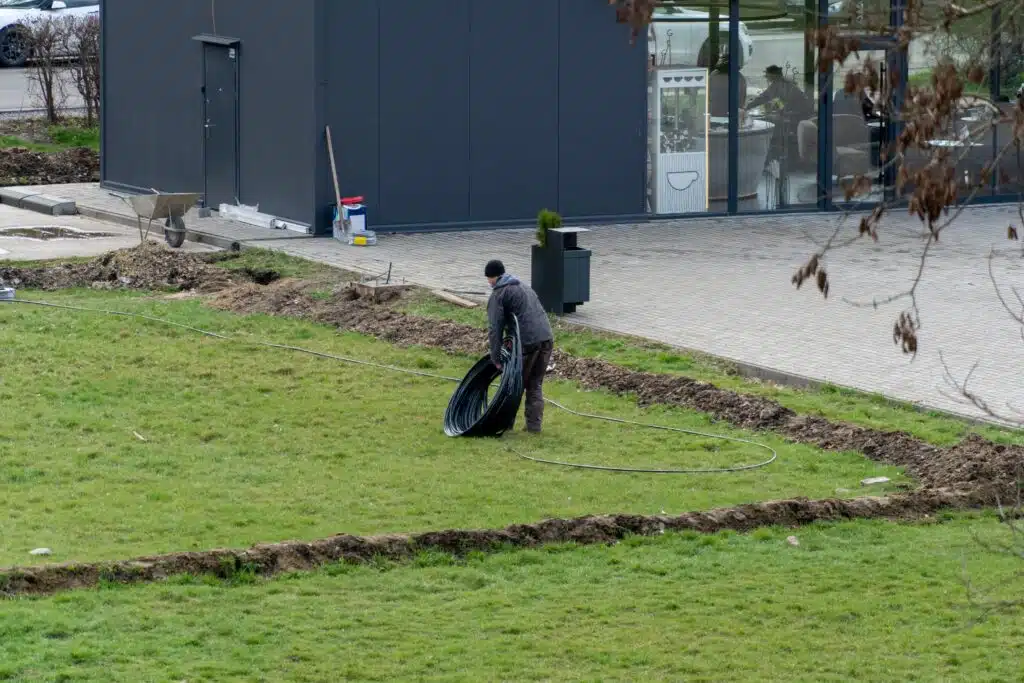
This guide covers what commercial properties in Fort Worth actually require, how commercial landscaping differs from residential work, and what to look for when evaluating contractors.
How Commercial Landscaping Differs from Residential
The most obvious difference is scale, but scale is not the most important distinction. The real differences are in reliability requirements, visibility stakes, and the coordination demands of working around an active business.
Reliability: A residential client can tolerate a maintenance visit that runs a day late. A commercial property manager cannot. Missed maintenance at a retail center, office building, or HOA property is immediately visible to every customer and tenant. Commercial landscape maintenance requires contractors who treat schedules as commitments.
Visibility stakes: The entrance and facade planting of a commercial property is directly tied to first impressions. Overgrown hedges, dead plant material, unmaintained turf, or faded mulch at a business entrance communicates something specific to every visitor. Commercial landscape maintenance is not just operational; it is marketing.
Coordination: Commercial properties often require scheduling around business hours, delivery windows, parking restrictions, or tenant schedules. Commercial contractors know how to communicate and adapt to property-specific operational requirements.
Complexity: Larger commercial sites frequently have more complex drainage infrastructure, larger hardscaped areas, and more demanding irrigation systems than residential properties. The contractor who does excellent residential patio work may not have experience managing commercial drainage installations or multi-zone irrigation systems correctly.
What Commercial Properties in Fort Worth Need
Scheduled turf maintenance: Regular mowing, edging, trimming, and blowing on a reliable schedule. For high-visibility properties, weekly service during the growing season is standard. Visit our lawn maintenance page for details on what this covers.
Seasonal color programs: Rotating annual plantings in visible bed areas through the seasons maintains a cared-for appearance that signals ongoing attention to the property.
Irrigation management: Commercial irrigation systems must be managed seasonally. An improperly programmed system either wastes significant water or creates dry spots and stressed turf that are immediately visible.
Drainage maintenance: Large hardscaped commercial sites are particularly prone to drainage issues. Clogged channel drains, failed outlet pipes, and standing water create liability risks and property damage. Learn about our drainage and irrigation services.
Hardscape maintenance and repair: Commercial concrete, paving, and masonry experiences more traffic and wear than residential installations. Periodic inspection and repair of trip hazards, cracked surfaces, and failing drainage features is part of responsible commercial property management.
Annual landscape refreshes: Mulch replenishment, bed edge restoration, dead plant replacement, and seasonal additions keep a commercial landscape looking intentionally maintained.
What to Look for in a Commercial Landscape Contractor
Demonstrated commercial experience: Ask for specific references from commercial clients, including property managers, HOA boards, retail centers, and office properties. A contractor with real commercial experience will have these references readily available.
Consistent crew and account management: Commercial properties benefit from consistent crew members who know the specific requirements of the site. Ask whether the same crew services your account consistently.
Irrigation and drainage capability: Confirm the contractor can handle irrigation management and drainage maintenance, not just mowing and edging.
Insurance and compliance: Commercial work requires appropriate insurance levels. Confirm general liability and workers compensation coverage before contracting.