

Landscape Design in Fort Worth: What It Actually Means, How the Process Works, and What Separates a Good Plan from Just Planting Things
Published at August 21, 2026 | Category: Landscape Service
Most homeowners who want a better-looking yard are not sure whether what they need is a landscaper or a landscape designer. The distinction sounds like semantics, but it reflects a real difference in how the work starts, what gets built, and how the result holds up over time. Understanding that difference before you start calling contractors saves a lot of frustration.
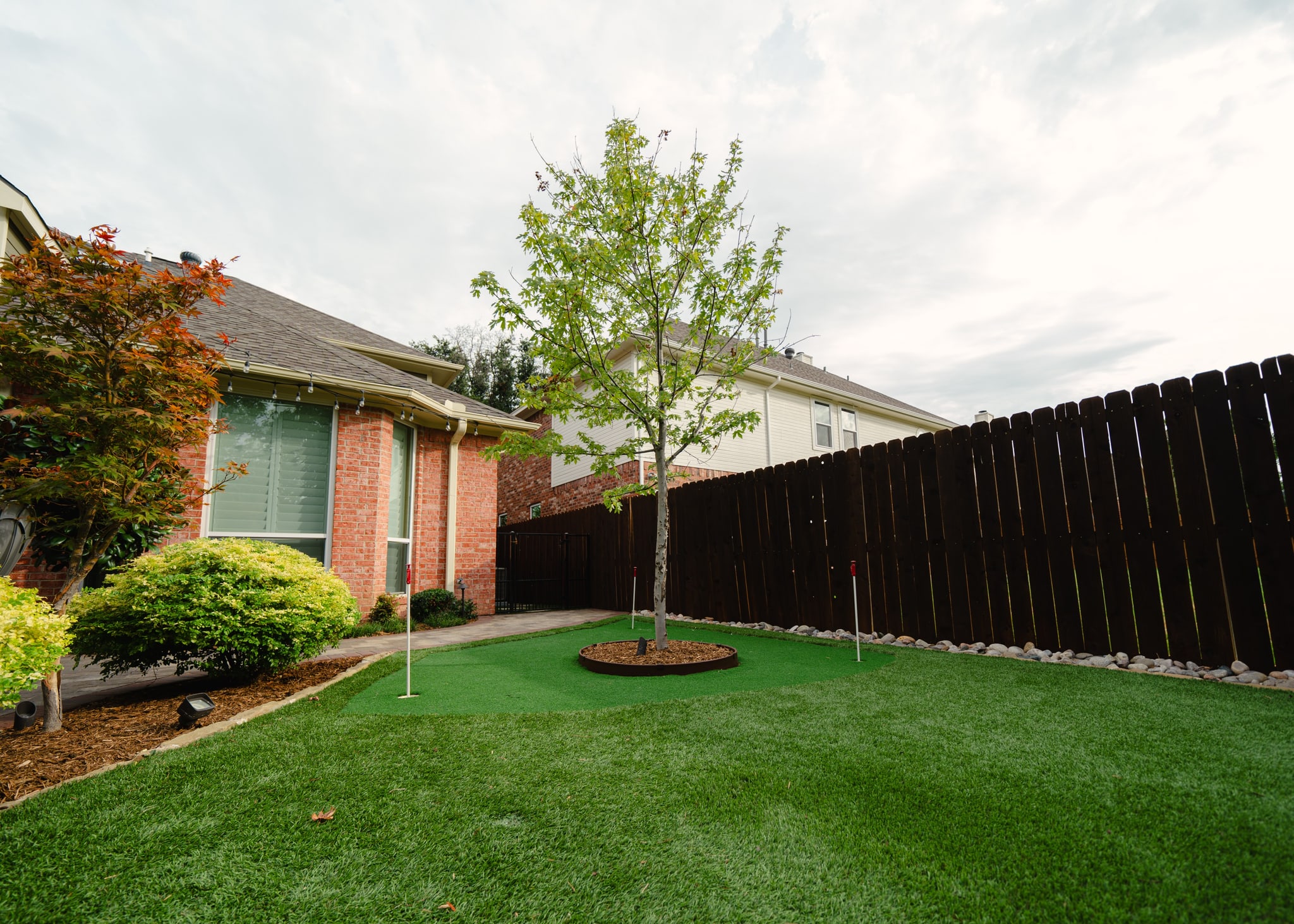
Landscaping vs. Landscape Design: The Actual Difference
Landscaping as a service typically refers to installation: plants go in the ground, mulch goes in the beds, sod gets laid. The focus is on the physical work of getting material into the soil. A landscaping crew without a design plan works from experience and visual judgment, placing plants in positions that seem right based on size, color, and availability on the day of install.
Landscape design is a planning discipline that determines what goes where before anyone picks up a shovel. A landscape designer evaluates the site, understands how the space is used and what the homeowner wants it to do, considers sun exposure and drainage and soil conditions, selects plants based on mature size and growth habit and water requirements, and produces a plan that accounts for how the space will look in year one, year three, and year ten. The installation follows the plan rather than improvising around material availability.
What Happens in a Landscape Design Consultation
A landscape design consultation for a Fort Worth property typically covers four areas.
Site Analysis
Before discussing plants or layout, a landscape designer walks the property and evaluates the conditions that will determine what can actually thrive there. In Fort Worth, this means soil composition (almost always clay-heavy Blackland Prairie), drainage patterns and any standing water areas, existing tree canopy and the shade patterns it creates throughout the day, irrigation coverage and any zones that are missing or malfunctioning, and the condition and location of any existing landscape features that will stay.
Site analysis in North Texas matters more than in most regions because Fort Worth’s conditions are genuinely challenging for plant material. The combination of expansive clay soil, intense summer heat, periodic drought, unpredictable rainfall, and occasional hard freeze events creates an environment where plants selected for appearance alone rather than site compatibility will predictably fail, sometimes in the first season.
Understanding How the Space Is Used
A landscape design that looks good in a rendering but does not account for how the family actually uses the yard is not a good design. This part of the consultation is conversational: where do children play, where do you sit outside, where does traffic move from the house to the driveway, where is privacy from neighbors most important, is there a desire for a kitchen garden or a cutting garden, is low maintenance a priority or is the homeowner willing to invest in higher-care plantings they love?
This conversation shapes the layout decisions more than any aesthetic preference. A yard used primarily by children needs open turf. A yard used primarily for entertaining needs defined surface areas and seating zones. A yard used by neither does not need either, and trying to impose a standard residential landscape template on every property is why so many landscapes look built-to-order rather than built-for-the-client.
Plant Selection for North Texas Conditions
Plant selection in Fort Worth is not just about what looks good at the nursery. It is about what performs in the specific combination of conditions the property presents: soil type, sun exposure, drainage quality, watering frequency the homeowner is realistically willing to provide, and the aesthetic goals for each season.
Native and adapted plants that have evolved in or near North Texas conditions almost always outperform exotic species that require consistent coddling to survive the summer. Knock Out roses, crape myrtles, ornamental grasses, agaves and succulents in the right spots, Texas sage, lantana, and native perennials like black-eyed Susan and salvia perform year after year in Fort Worth conditions without intensive maintenance. Plants that look beautiful in a Fort Worth spring and require intervention to survive a Fort Worth August are not good design choices, regardless of how attractive they are at the nursery in April.
Hardscape and Drainage Integration
A landscape design plan that treats the outdoor space only as a planting problem misses the context that hardscape and drainage create. Where a patio or walkway goes determines where planting beds are possible. Where drainage moves across the property determines which areas are suitable for plants with different moisture tolerance. A landscape design that does not account for the existing or planned hardscaping and drainage infrastructure produces a plan that conflicts with one or both when installation begins. Good landscape design integrates all three disciplines from the planning stage rather than treating them as sequential decisions.
What You Receive from a Landscape Design Process
The deliverable from a professional landscape design process is a design plan: a scaled drawing of the property showing the proposed layout of planting beds, plant placement with species identified, hardscape surfaces and their relationships to the planting areas, and any drainage, grading, or irrigation modifications the design requires.
The design plan is the document that makes accurate cost estimation possible. Without it, a landscaping estimate is approximate at best. With it, the scope of material and labor is specific enough to price accurately and to compare proposals between contractors on equal footing.
For properties with complex conditions or significant scope, a design process may include multiple rounds of revision, material selection boards, and phasing recommendations that sequence which elements are built first based on logical construction order and budget considerations.
Does Every Landscape Project Require a Formal Design Process?
Not every landscape project requires a formal documented design. A simple refresh, replanting of existing beds with new material, or sod replacement in a defined area can be completed competently by experienced crews working from a site visit and conversation without a formal design document.
Projects that benefit most from a formal design process are those with significant scope (whole-yard transformations, new construction landscaping from scratch), complex site conditions (significant grade changes, drainage problems, mature trees that affect plant selection), integration with new or planned hardscape or outdoor living structures, or a strong aesthetic vision that requires specific plant selection and arrangement to achieve.
For these projects, the design investment is almost always recovered in better results, fewer do-overs, and a finished product that looks like it was planned rather than assembled.
Finding a Landscape Designer in Fort Worth
When evaluating landscape designers and design-build firms in Fort Worth, the most useful question to ask is: can I see the design plan for a completed project similar to mine, and can I then go see that project in person after it has been installed for at least one season?
A landscape designer who is confident in their plant selection will welcome this. A designer whose plan looks different from the installed result, or whose installation looks different from the plan, is showing you something important about how the process works in practice.
Greenview Landscaping provides landscape design and installation for residential and commercial properties throughout Fort Worth and the DFW Metroplex. Our design process begins with a thorough site assessment and ends with a documented plan that drives the installation, not the other way around. In business since 2016 with a 4.8-star Google rating and A+ BBB accreditation, we have completed landscape design and installation projects across Fort Worth, Southlake, Keller, Grapevine, North Richland Hills, and all surrounding Tarrant County communities. Call (817) 393-3144 or contact us online to schedule a design consultation.