

Backyard Remodeling in Fort Worth: What a Complete Outdoor Transformation Actually Includes, Costs, and Takes
Published at August 28, 2026 | Category: Landscape Service
Most Fort Worth homeowners who decide their backyard needs a major change have a clear picture of what they want to feel when they step outside. They want it to feel finished. They want a reason to spend time out there. They want guests to notice it. What is harder to picture is exactly how you get from a yard that is not working to one that is, and that gap between vision and plan is where most backyard remodel projects stall before they start.
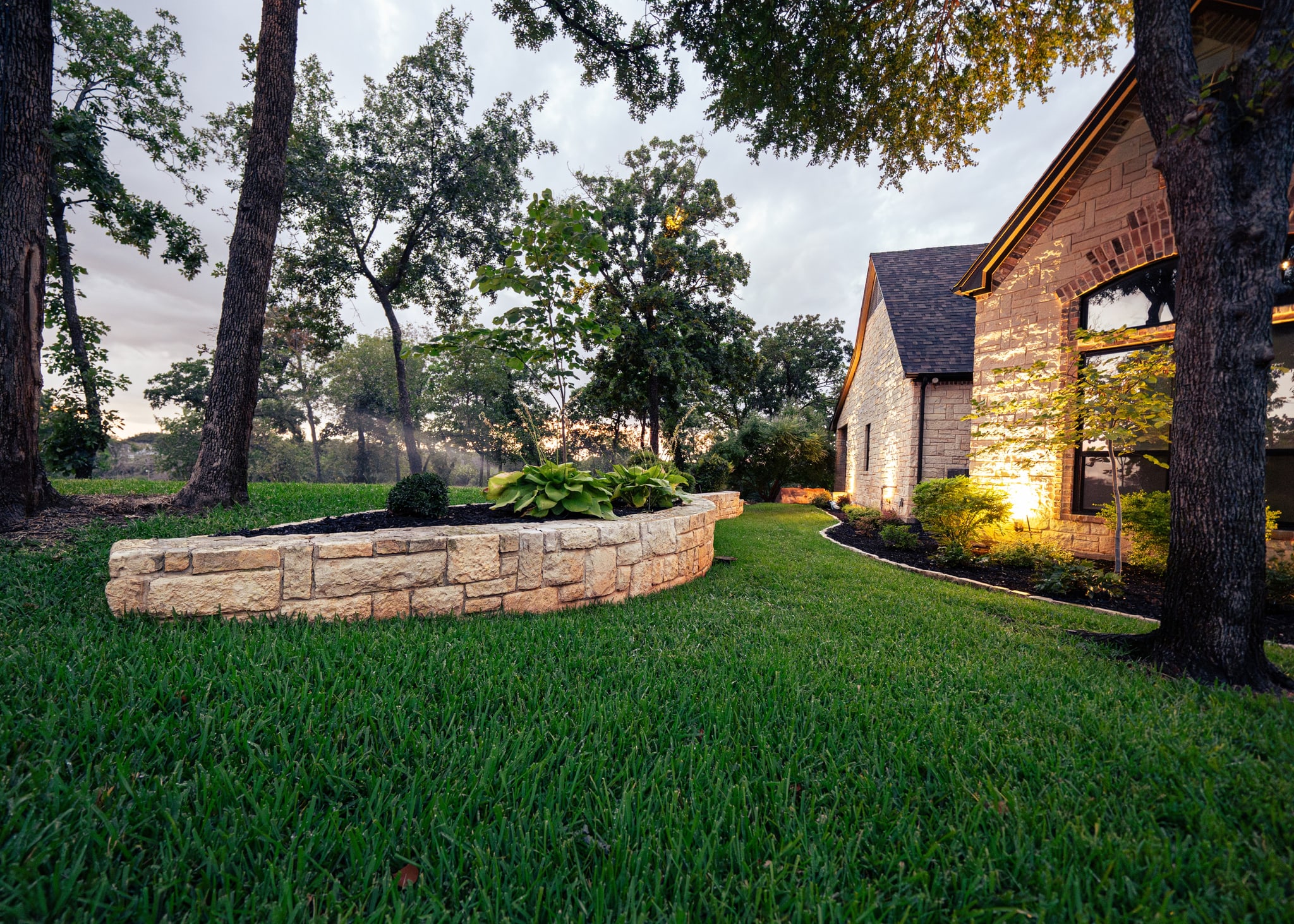
This guide is for the homeowners who are past the “maybe someday” stage and ready to understand what a complete backyard transformation actually involves in Fort Worth, what it costs, how long it takes, and how to evaluate a contractor who can handle all of it.
What “Backyard Remodeler” Actually Means
When someone searches for a backyard remodeler, they are not looking for a single service. They are looking for a contractor who can look at their current outdoor space and deliver something fundamentally different on the other side. That is a very different project scope from hiring a landscaping company to plant new beds or a fence company to replace a fence.
A backyard remodel typically involves several disciplines working together as a cohesive project: hardscape surfaces that define the space, landscape plantings that soften and frame it, drainage corrections that prevent water from undermining everything, outdoor living structures that make the space functional in multiple weather conditions, and often lighting that extends the usability into the evening hours. When these elements are planned and built together, they produce an outdoor environment that looks and feels intentional. When they are handled by different contractors at different times without a coordinating plan, the result is a yard with nice individual elements that do not quite add up to a finished whole.
The Typical Sequence of a Backyard Remodel
A complete backyard transformation follows a logical sequence that determines both quality and cost. Understanding it helps you evaluate proposals accurately. Browse completed backyard remodel projects in our gallery to see how these phases come together.
Phase 1: Design and Site Assessment
Every well-executed backyard remodel starts with a design phase that maps out what will be built, where it will go, and in what order. This is not just aesthetic planning. A site assessment identifies existing drainage patterns, soil conditions, underground utilities, grade changes, sun exposure at different times of day, and any structural constraints that will affect what can be built and how.
In Fort Worth, the site assessment is particularly important because the Blackland Prairie clay soil creates conditions that affect every subsequent decision: how deep footings for pergolas and fences need to go, what base preparation a patio needs, where drainage infrastructure needs to be positioned before hardscaping goes in, and which plant materials will perform versus struggle in the heat and soil conditions specific to Tarrant County.
Phase 2: Grading, Drainage, and Underground Infrastructure
Before any surface material is installed, the site needs to be properly graded and any drainage infrastructure needs to be in the ground. This is the phase most homeowners never see and most contractors skip when they are trying to win on price. Drainage corrections, French drains, channel systems, and slope adjustments that happen before the patio goes in are dramatically cheaper and less disruptive than the same work done after. A patio that floods, a fence line that washes out, or retaining walls that shift and crack within two seasons are almost always the result of skipping this phase.
Phase 3: Hardscaping and Structures
Patios, walkways, retaining walls, pergolas, and outdoor structures are installed after the site is properly graded and drained. The sequence within this phase matters: retaining walls and masonry features typically go in before paving surfaces, and pergola footings are poured before the surrounding patio is laid so the concrete forms do not damage a finished surface. Patio installation is usually the last hardscape surface to go down, since it is the element most affected by the work happening around it.
Phase 4: Landscape Installation
Once hardscaping is complete, landscape installation fills in the living elements: trees, shrubs, ornamental grasses, perennial plantings, ground covers, mulch, and sod for open turf areas. Planting after hardscaping rather than before prevents the disruption that equipment and materials cause to freshly installed plantings. In Fort Worth, fall installation is preferred for most plant material because the cooler temperatures and increased rainfall support root establishment before the following summer.
Phase 5: Outdoor Living Features and Lighting
Outdoor kitchens, fire pits, outdoor kitchen countertops, and ambient lighting systems go in last. Electrical and gas line rough-in for these features is typically coordinated during the earlier phases so the infrastructure is in place when the feature itself is installed. Landscape lighting is installed after planting so fixture placement reflects the actual location of plants and hardscape elements rather than a design plan that may have shifted during installation.
What Drives the Cost of a Backyard Remodel in Fort Worth
The single most common source of sticker shock in backyard remodel projects is the gap between what homeowners expect it to cost based on individual service prices and what it actually costs when all the components of a complete transformation are sequenced and built correctly.
Material Selection
The widest cost variable in most backyard remodels is the patio surface and hardscape material. A broom-finished concrete patio runs $8 to $12 per square foot installed. Natural travertine or high-end paver systems run $25 to $40 per square foot. On a 500-square-foot patio that is a $4,000 to $20,000 range from material choice alone. Similarly, a pressure-treated lumber pergola and a cedar pergola with a powder-coated aluminum roof system look comparable in a design rendering and differ by $8,000 to $15,000 in execution.
Site Conditions
A backyard that is flat, has no drainage issues, has good soil, and provides equipment access will cost less to remodel than a backyard with significant grade changes, clay soil compaction problems, existing drainage infrastructure that needs to be rerouted, or limited access that requires hand-moving materials. Fort Worth properties with older irrigation systems that need to be redesigned around new hardscape, or properties where the existing grade was never properly set by the original builder, add cost to every phase of the remodel.
Project Scope and Sequence
A phased backyard remodel where individual elements are added over multiple years typically costs more in total than a comprehensive single-scope project, because each phase requires mobilization, design time, and coordination that is more efficient when handled together. It also produces better results aesthetically, because each element is designed relative to the others from the beginning rather than adapted to what was already built.
Typical Cost Ranges
Entry-level backyard remodel (new patio, basic landscaping, cleanup and refresh): $12,000 to $25,000.
Mid-range backyard remodel (quality patio, pergola or covered structure, landscape redesign, drainage correction): $30,000 to $65,000.
Comprehensive backyard transformation (premium hardscaping, full outdoor living build with kitchen and fire feature, complete landscape installation, drainage infrastructure): $70,000 to $150,000 and above.
These ranges reflect Fort Worth market conditions and do not account for pool work, which adds its own project scope and cost category.
How to Find a Backyard Remodeler in Fort Worth
Most Fort Worth homeowners who have had frustrating experiences with backyard projects hired contractors who specialized in one or two disciplines rather than a contractor who could manage the complete scope. Finding a genuine backyard remodeler means looking for a few specific things:
Full-scope capability. A contractor who designs and builds hardscaping, landscaping, drainage, and outdoor living elements in-house delivers a more cohesive result than a general contractor coordinating multiple subcontractors who have never worked together. Ask specifically which elements are handled by the contractor’s own crews versus subcontracted.
Completed project examples at a comparable scale. Ask to see before-and-after photos of complete backyard transformations, not individual service photos. A contractor who has built complete outdoor environments at the scale you are considering will have examples to show.
A documented design process. A contractor who provides a site plan and design proposal before scheduling work is accounting for your specific property. A contractor who provides a verbal estimate and asks you to choose materials on the day they show up is not.
A realistic project timeline. A comprehensive backyard remodel in Fort Worth takes six to twelve weeks from design approval to completion depending on scope and material lead times. A timeline that promises a complete transformation in two weeks for a complex project is a quality signal.
Greenview Landscaping has been delivering complete backyard transformations for Fort Worth homeowners and commercial properties since 2016. We handle hardscaping, landscaping, drainage, outdoor living structures, fire features, masonry, and fencing with our own crews from design through the final walkthrough. We hold a 4.8-star Google rating and an A+ rating from the Better Business Bureau. Call (817) 393-3144 or contact us online for a free backyard consultation. We serve Fort Worth, Keller, Southlake, Grapevine, Haltom City, Bedford, North Richland Hills, and all surrounding Tarrant County communities.